
Eating Oxford
Native: Crema: Single (Origin) And Loving It


Crema wants to show Nashville coffee lovers how their coffee is made, where it comes from, and why they should care
“This is what the beans look like when they’re green—unroasted,” Ben Lehman explains over the hum of Crema’s sole roasting machine. “Well, actually they’re not beans—they’re seeds. Coffee actually comes from a fruit, and we call that fruit the cherry.” Ben speaks clearly with a patient, professorial tone. This is important to him, and he wants it be important to you too.
Crema’s roasting facility is built into a back room in their coffee shop on Rutledge Hill downtown. Most of its meager square footage is occupied by the roaster, supplies, and gallon buckets of green and brown coffee beans. Packed into the spaces in between are Ben, myself, Ben’s wife and business partner, Rachel, Crema’s roasting maestro, Winston, and a younger girl named Abby, who is combing beans out from the basin of the roaster—any bean that doesn’t meet their specs has to go.
Abby hands me a small bean—one of the undesirables—and I pop it in my mouth. It tastes like dirt. Ben grins, and Winston tells me how these underdeveloped coffee seeds, known as quakers, impart a nuttiness to the flavor that doesn’t suit this particular roast. “You won’t see every coffee roaster doing this,” Ben points out, proud of the care they take to ensure quality control. “That’s what makes Crema different.”
It’s loud in here. In addition to the roasting machine’s mechanical purr, steam hisses out of the espresso machine out front, and there’s a dull roar of conversations spilling out from the adjacent sitting room. Searching for a quieter place to talk, Ben leads us out back toward a stout shed that’s just barely wider than its single garage door. Inside, huge burlap sacks of imported coffee beans are stacked high, leaving just enough room in the middle for a small card table and three chairs. After some debate, Ben, Rachel, and I take the chairs. Winston hoists himself up onto the closest—and shortest—of the stacks.
A car alarm is going off in one of the parking lots that surround the shed. There are so many cars outside Crema’s humble storefront that it’s almost hard to believe everyone can fit inside. In today’s world, it’s commonplace to see twenty people waiting in line for single origin coffee and artfully crafted espresso drinks. But when Crema opened its doors seven years ago, Nashville hadn’t caught the coffee fever that was gripping other parts of the country.
Crema isn’t Rachel’s first coffee gig—she worked at the Berry Hill coffee shop Sam & Zoe’s for years and at coffee shops in Denver before that. Through Sam & Zoe’s, she made many friends and connections within the city’s nascent coffee community, but she knew from prior experience that Nashville was behind what was happening in the nation’s coffee hotspots—Portland, Seattle, et al. “[In Nashville] it was all about blending different coffees together for just your standard cup of coffee. And so that’s what we did—we bought all blends,” Rachel admits. “Single origin coffees, or highlighting a coffee for its actual cup quality, was nothing at the time. That wasn’t something you did here.”
Back then, most of the coffee shops in town were driven by food sales. To most, changing that model to start selling more expensive coffees with a lower margin seemed like bad business. Rachel knew that if she wanted to raise the bar, she was going to have to go out and do it on her own. Ben shakes his head slightly, smiling. “We didn’t have any kids, and it was kind of: well, it’s either now or never. So we did it.”
Ben and Rachel chose their location on Hermitage Avenue carefully. They wanted to be part of a community and far enough away from the other major coffee players to create their own identity. But the big selling point was the traffic. “Fifteen thousand cars a day were passing on Hermitage,” Ben says. But traffic isn’t enough on its own—as they soon found out. “It doesn’t matter how many cars drive up and down the street, because those fifteen thousand people may not care about [specialty] coffee.”
If Crema was going to succeed, they had to educate people—to connect with them on a personal level and build a community around their coffee. Crema’s identity was formed in the long-hour grind of those early months. The axiom that drove all their decisions was, “The smallest detail matters the most,” and that value remains at the core of the company even today. “Even though we’re a lot busier than we were when we first opened, that’s ingrained in our community and our culture,” Ben says. “You know people’s names, and everyone matters—no matter how deep the line.”
Ben and Rachel both have memories of interactions with customers in those early months—some of which shaped the direction of the whole company. “The first month Crema was open, this guy came in from Portland and grilled me about the coffee,” Rachel remembers. He was interested in more than the coffee’s flavor profile—he wanted to know about the farm it came from, what the farmers were paid, how environmentally sustainable it was, and Rachel didn’t have all the answers. “He was like, ‘What do you mean you don’t know—that’s what specialty coffee is!’”
That sparked something in Rachel, and she knew that she had to do better. “I started reading about farms, and I started reading about green coffee. I started asking our roaster at the time these questions. We wanted to do single origin coffees, and we were interested in the wages of the farmers and the quality of it. We wanted to actively cup the coffees, taste the coffees, and do quality control.”
Rachel called up their friend Aaron Blanco, who runs Brown Coffee Company in San Antonio, and he was happy to help. He told her his roasting philosophy, how he picks green coffees, and who he purchases them from. “That was a turning point for me, when I was like, I know the name of the person that produced this coffee, the year it was harvested, the micro-lot name, the altitude. It was mind-blowing.”
Crema made Brown Coffee Company their primary source and got great feedback from their customers. But before long, that wasn’t enough. They knew that if they wanted absolute control over every element of their coffee, they had to start roasting their own. Fortunately, they had just hired Winston, who was as green to roasting as Rachel and Ben, but had culinary experience and an eagerness to learn the craft. Winston, along with then-co-roaster Sean Stewart (now of Steadfast Coffee), went down to San Antonio to learn the basics of roasting from Aaron, who was as eager to teach as Winston was to learn. “That really got us three steps ahead of where we would have been had we just started on our own,” Winston says, “so we were very fortunate to have good friends who cared a lot.”
Even with Aaron’s expertise, learning to roast took practice. Winston explains, “It’s like any sort of artistic endeavor. When you start into it, your taste is greater than your skill. So you get pretty excited about it and have high standards, but your ability to execute it to those standards takes a little more time.” Still, Winston remembers the experience fondly. “I look back on it now and look at what I was doing, and yeah, I wish I had known more, but that’s how you do it. You just jump in.”
But learning to roast coffee wasn’t the only roadblock Crema faced; they also had to sell their customers on the idea. “There’s a pretty funny guy that used to come in here pretty regularly—always gets decaf—and he’s kind of a personality,” Winston says. “So he comes in one morning and he’s kind of got this cockeyed thing, a sort of swagger. He orders his decaf, and he goes, ‘Wait a minute! You’re not using Brown coffee anymore?’” Winston shouts in a theatrical voice. “And I was like, ‘No, we actually started roasting our own coffee.’ He said, ‘I don’t know about this. That was the best coffee. I don’t know. We’ll see.’ I made his drink for him, and he was looking at me the whole time. He drinks it, and he goes, ‘Okay. It’s still the best.’”
With their roasting technique improving daily and their loyal customers on board, Crema was poised for success—but roasting the coffee beans is only half of it. To bring a truly unique flavor to the coffee world, they needed to go out and find coffees that no one else in town was roasting. Aaron got them connected with Central and South American growers, and they got to work developing relationships with growers wherever they could. They used the same skills they had honed in building a local customer base—no detail is too small, every person matters, and lasting relationships are what really counts—to develop a network of quality growers throughout those regions.
This year alone, they’ve traveled to Costa Rica, Panama, and Guatemala in search of unique coffees from ethical growers, and the relationships they’ve developed with the small coffee growers will last the lifetime of the business. All three of them are filled with stories about the people they’ve met in their travels, and they can back up every coffee they serve with a story about the farmer who grew it.
Winston seems particularly fond of Wilford, a farmer they met in Panama. “Wilford cups his coffee every day. Every single lot. He knew what it tasted like, he was experimenting with all the small changes he could. We would sit there cupping coffees and he would say, ‘Ah, the difference between this one is that I dried it outside for eight hours and put it in the mechanical dryer for two. This one I dried outside for ten hours and put it in the mechanical dryer for one. Taste the difference?’ And it was just mind-blowing. He’s so focused on it, and his coffee is really some of the best on the planet.
“[Our philosophy is to] find good people and be good to them,” Winston explains. “We really care about forming lasting relationships with the people we work with, getting to know them, and making it more communal. It’s not just a buying thing—it has a heart component to it.”
Crema pays more for their coffee because they consider it an investment in the individual grower. If a farmer can count on them to buy coffee at a competitive price for years to come, it gives them the security to invest in their own farm and the quality of the coffee they produce. But that investment doesn’t come without sacrifices.
“The family we work with in El Salvador, we’ve been buying from them for three seasons now,” Winston says. “Last season they had a very hard time. They got hit hard with rust [an airborne fungus that attacks the coffee plant], which is a big issue in Central America . . . Their production between three years ago and two years ago went down almost 90 percent. So when that happened, they were still producing good coffee, but nowhere near the volume. Miguel [the farmer] came to us and he said, ‘I’m really sorry to do this, but I’ve got to raise my prices—I hope this is okay.’ And we were like, ‘Of course it’s okay. Of course we’ll pay more for your coffee. We’ll absolutely do that.’ That’s part of forming that relationship. If he has a good year, that’s great, but if he has a bad year and he doesn’t get as much as he’d like, we’re not running away.”
Relationship coffee is a buzzword in today’s coffee culture, but for Ben, Rachel, and Winston, this isn’t a fad. They talk about their growers like they’re family, and I can tell they’d do just about anything for them. Above all, they want their customers to understand where their coffee comes from and to know—as best they can—the faces and personalities behind it.
Crema’s mission—beyond great-tasting coffee, ethical sourcing, and community engagement—is still on education. They hold coffee classes that cover everything from espresso basics to latte art to home roasting. They have a blog where they interview other roasters, share stories from growers, and even explain some of their own roasting secrets. And they continually educate their baristas and always make themselves available, so that every time you walk through the door you have the opportunity to gain fresh insight into the coffee in your cup.
But as much as Crema has taught Nashville about coffee, they have learned even more from the growers themselves. One of their greatest insights came when they were in Guatemala visiting the Martinez family. Even though the Martinezes wanted Crema’s business, they weren’t shy about introducing them to their friends and neighbors and encouraging them to buy from them as well. Down there, they’re not competitive—they’re collaborative.
Ben, Rachel, and Winston brought that lesson home with them, and they encourage anyone to get involved in the Nashville coffee community—even if it means more competition. Rachel smiles, “The more shops that we can get where the focus is on training and quality of execution—that helps tremendously.” Winston adds, “It brings more people in. It spreads awareness and education.”
Because of this attitude, Ben is confident in Crema’s position within Nashville’s coffee culture and excited about the city’s growing profile among the national coffee community. “I think we are kind of at a crux in Nashville—an apex, maybe . . . I think that we’ll probably overtake Seattle and New York with the inventiveness of coffee and the things that we’re doing—or at least maybe that’s my hope. We could do that here.”
Ben pauses, seeming to wonder if he’s been too bold, then continues. “I just have a gut feeling that we have more inventiveness and creativity, and that that’s going to be—that the other parts of the country are going to look to us.”
Starting a specialty coffee roasting company in a city where single origin coffee had barely broken through wasn’t easy. Ben, Rachel, and Winston didn’t have any local influences, and they had to create their own distinct style basically from scratch. But in doing so, they created something special—an exploratory yet principled approach to purchasing and roasting coffee that makes Crema stand out among their peers. “Having had some of the big coffee from the West Coast—like Stumptown and Heart and all that—and then tasting our coffee . . .” Ben smiles, humble, but unwavering. “I just have a gut feeling that we’re doing something a little different—and a little fresher.”
By: Scott Marquart | Photo: Ryan Green and Ben Lehman
Eating Oxford
The Velvet Ditch brings seafood and steady service to Oxford
A new hot spot offering seafood, bar favorites and steady service in a setting that fits both weeknights and game weekends

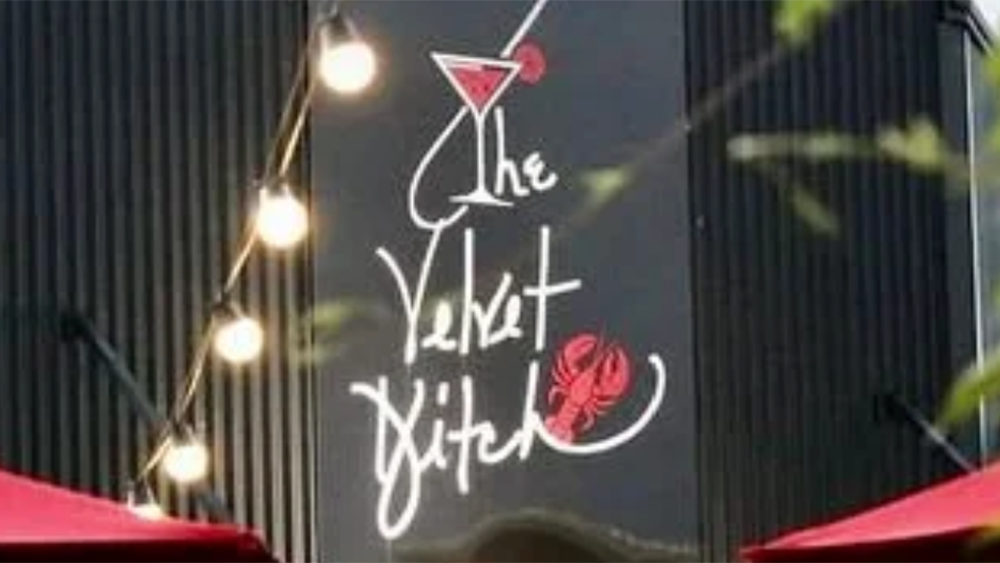
OXFORD, Miss. — The Velvet Ditch has become a regular stop for people looking for seafood plates, sandwiches and a sports-bar setting near the Oxford Square.
Its menu leans toward familiar items, and the service is one of the reasons diners say they return. The restaurant sits on South Lamar Boulevard, close enough to campus and the Square to draw steady traffic on most nights.
The interior features televisions, open tables and a bar that stays busy during major sporting events. Staff members move between areas at a quick pace.
A visitor can see at a glance that the restaurant is built to handle crowds during football weekends or spring baseball series.
The menu includes catfish, shrimp, burgers and pasta dishes. One food-travel site highlighted the “Catfish with Grits” and the “Lobster Mac and Cheese” as standout items.
Another review praised the staff, noting that a server “went above and beyond to ensure guests had a memorable experience.” Those comments help show why service is often mentioned in accounts from diners.
Guests also mention that the kitchen keeps wait times short. Even on harder nights, food tends to reach tables in a steady rhythm. For people on a schedule, that can be a deciding factor.
Some patrons report that visiting in the early evening brings a quieter atmosphere. Later hours often mean a louder bar setting, especially during games or campus events.
One commenter on social media wrote that the place was “packed” but said staff and management stayed active and remained helpful. That reflects a common pattern in local feedback.
The porch and outdoor seating add to the appeal, especially during fall and spring weather. The spot offers extra room for groups and keeps the dining room from feeling crowded when traffic picks up.
For diners seeking a consistent seafood option that works for friends, families or visitors, The Velvet Ditch meets those expectations without trying to be a fine-dining restaurant.
Most guests seem to accept it as a casual place where they can get reliable favorites.
Menu impressions and pacing
Portion sizes fall on the larger side. Some customers report leaving with leftovers, which adds value for a college-town audience.
Pricing falls within the range expected for a restaurant near the Square, though the seafood dishes push slightly higher than the sandwiches.
Most tables seem to order at least one fried dish. For people choosing wings or fried seafood, asking about crispness is a reasonable step.
One local blog gave the wings a 6.8 out of 10, citing texture but praising the seasoning and service.
It is not unusual for fried items to vary between busy and slow shifts, and guests sometimes adjust their orders based on earlier visits.
Pasta selections, including shrimp-based dishes, tend to draw positive remarks for flavor.
Several diners have shared online comments praising the seasoning balance, which can be harder to maintain in larger kitchens on crowded nights.
Service remains one of the restaurant’s strengths. Reports mention hosts greeting guests quickly and servers keeping check-ins consistent without becoming intrusive.
These basic steps stand out in a setting that often juggles game-day crowds.
The bar area typically fills first. Guests wanting a quieter space may choose tables near the front or the patio. Staff usually offer guidance on where noise levels are lower.
Visitors should expect a mixed crowd. Students, families, alumni and travelers pass through during busy weekends.
The range creates a social atmosphere without shifting the restaurant’s identity into a full bar.
When the pace picks up, the kitchen maintains a workmanlike rhythm. Though the menu is wide enough to challenge any staff during peak hours, food tends to be steady.
This consistency is part of why the restaurant keeps its place among Oxford’s regular dining choices.
Final thoughts
The Velvet Ditch presents itself as a casual dining option that fits Oxford’s blend of campus life and regional visitors.
Diners visiting early in the evening, before louder crowds settle in, often get a more relaxed experience. Later hours tilt toward a sports-bar feel, but service remains attentive.
The restaurant’s strengths lie in its steady approach. It does not try to compete with upscale dining rooms in town.
Instead, it focuses on familiar dishes, efficient service and a setting that suits both weeknight diners and visitors in town for a game.
For people seeking seafood or bar favorites near the Square, The Velvet Ditch offers a dependable choice.
Key takeaways
-
The Velvet Ditch delivers steady service and familiar seafood-and-bar dishes near the Oxford Square.
-
Early visits offer quieter meals, while later hours bring louder sports-bar energy.
-
Portions are large, and service remains a strong point even on busy nights.
Eating Oxford
Captain Morgan’s Pirate Ship Grounds on the Oxford Square for Three Days of Swashbuckling Fun
Captain Morgan’s Pirate Ship drops anchor in Oxford Square for a three-day rum-filled adventure supporting local arts programs.

The Oxford Square is about to get a taste of the high seas as Captain Morgan’s legendary Pirate Ship makes landfall for three days of rum, revelry, and community celebration. The nearly 40-foot vessel will drop anchor right in the heart of downtown, inviting residents and visitors alike to climb aboard for photos, exploration, and a chance to join the pirate crew—if they dare.
The festivities kick off Thursday, November 13, with the Captain Morgan Pirate Pub Crawl, benefitting the Yoknapatawpha Arts Council. The crawl begins with a 7:30 p.m. check-in at The Powerhouse Community Arts Center, where participants will experience the Captain’s Tailgate Tour Ship and enjoy a signature cocktail.
From there, crews will sail through town—stopping at Moe’s Penny Bar, Back Nine, Quack’s, and The Blind Pig Pub—collecting treasure map stamps, stories, and plenty of pirate memories along the way. The night culminates with a grand drawing for a Captain Morgan Yeti Cooler, stocked with spirits and exclusive gear.
The event is free, with donations and drink proceeds directly supporting the Arts Council’s free community arts programs throughout Oxford.
Participants are encouraged to arrive in full pirate regalia for extra raffle entries and bragging rights.
So grab your eyepatch, raise your glass, and prepare to set sail without ever leaving the Square. The Captain Morgan Pirate Ship may be grounded—but the adventure, and the cause it supports, will lift everyone’s spirits.
To learn more, visit www.oxfordarts.com.
Eating Oxford
Lenora’s in Oxford delivers solid Southern fare with attentive service
At Lenora’s Restaurant in Oxford, Mississippi the seafood is fresh, the staff attentive, and dishes like rib eye and catfish stand out
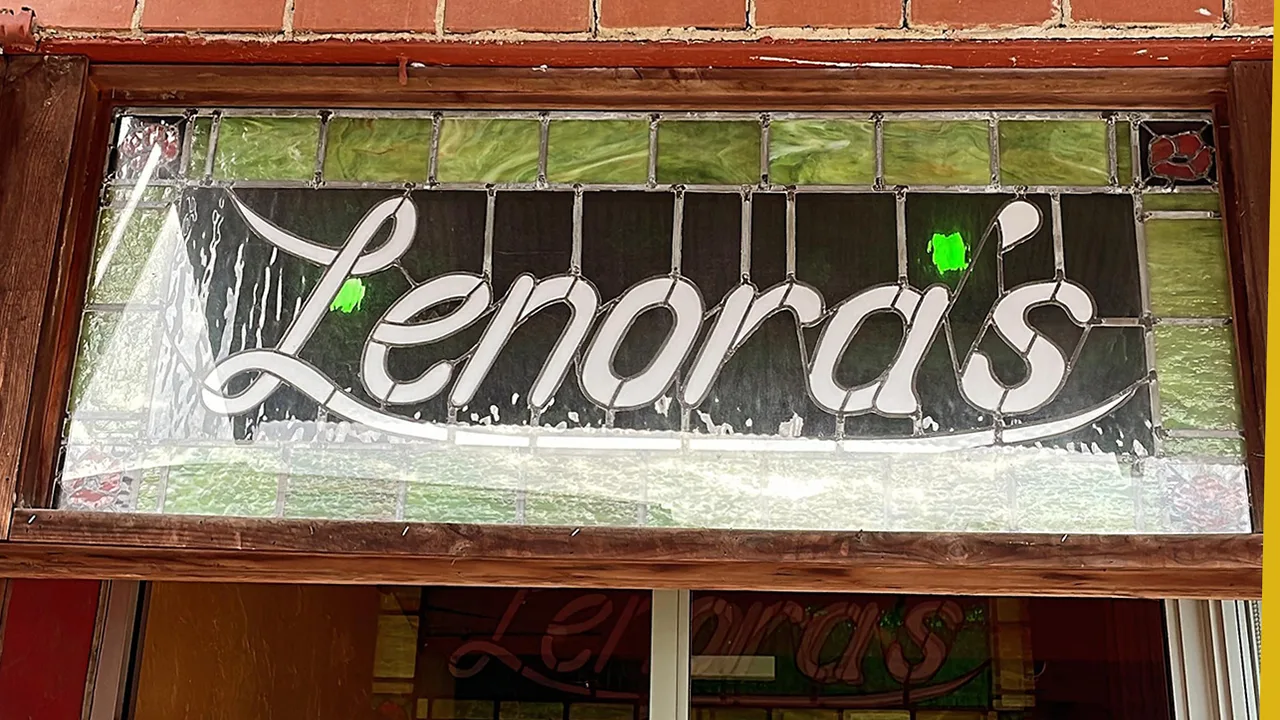
OXFORD, Miss. — At Lenora’s Restaurant in the heart of Oxford, Mississippi, quality doesn’t come from gimmicks or gimmickry.
It’s built from consistency, craft, and the quiet confidence of a kitchen that knows its identity of Southern elegance, balanced by seafood staples and a touch of upscale polish.
A first impression that lasts
Situated at 309 North Lamar Boulevard, just steps away from the Square, Lenora’s manages to create a dining experience that feels elevated without being exclusive.
Soft lighting, rustic wood accents, and an uncluttered layout give the space a comfortable rhythm.
There’s a sense of refinement that doesn’t need to announce itself. It simply exists, welcoming guests into a dining room that suits both quiet conversation and shared celebration.
Tables are well-spaced, and the pace is deliberately calm. From the moment diners walk in, staff are attentive but never overbearing, allowing the experience to unfold at its own tempo.
A menu with depth and purpose
The menu at Lenora’s blends Southern influence with coastal finesse.
The star attractions often lean toward seafood—dishes like the seared catfish Lenora and shrimp pasta Lenora exemplify the restaurant’s commitment to familiar flavors delivered with thoughtful precision.
These dishes arrive hot, well-seasoned, and plated with attention that suggests pride behind the scenes.
Steaks are another strong point. The rib-eye, in particular, arrives with a sear that holds its juices and a side of smashed potatoes that achieves that rare feat of being both comforting and composed.
The mixed grill offerings allow guests to sample a little bit of everything—surf and turf combinations that work in harmony.
Appetizers such as the jumbo lump crab cake and the beef tenderloin skewer serve as a warm welcome to the meal. Meanwhile, seasonal salads, grilled vegetables, and expertly prepared greens round out the plate without feeling like afterthoughts.
Service that elevates the experience
While food often gets top billing in restaurant reviews, the service at Lenora’s deserves its own recognition. Guests routinely highlight the staff’s friendliness and professionalism.
In one recent example, a reviewer praised server Emily S. for being “calm, friendly, and super attentive,” even during a particularly busy evening.
That level of consistency isn’t an accident. The staff—from the front-of-house to the kitchen—operate with clear communication and a shared understanding of what makes for a great dining experience: timing, warmth, and a sense of ease.
Even when the restaurant is bustling on weekends or special occasions, the flow remains steady. Courses arrive at the right intervals, water glasses stay full, and special requests are handled without hesitation.
Finishing strong with dessert and drinks
When it comes to the final course, Lenora’s makes a strong case for lingering just a little longer.
Bread pudding with white chocolate sauce is a standout, offering a warm, rich bite without becoming overly heavy.
Other dessert selections rotate seasonally, giving repeat diners something new to look forward to.
The bar program includes handcrafted cocktails, a curated wine list, and premium spirits, creating an opportunity to extend the evening in relaxed fashion.
Whether it’s a classic old fashioned or a house-infused martini, the drink selection pairs naturally with the pace and style of the meal.
Consistency and craft at the center
Lenora’s isn’t trying to be trendy. It isn’t chasing viral moments or social media flash. What it offers instead is something harder to replicate: a sense of place.
A restaurant that knows who it is, knows what it does well, and delivers on that promise night after night.
It’s this combination of skill in the kitchen, warmth at the table, and ease in the atmosphere that makes Lenora’s a cornerstone of Oxford’s dining scene.
Whether it’s a dinner out with family, a date night, or a business conversation over a meal, Lenora’s fits the moment.
Location and hours of operation
-
Address: 309 North Lamar Boulevard, Oxford, Mississippi 38655
-
Phone: (662) 236‑1144
-
Hours:
-
Monday, Tuesday, Thursday: 5:00 p.m. – 9:00 p.m.
-
Wednesday, Friday, Saturday: 5:00 p.m. – 10:30 p.m.
-
Sunday: Closed
-
Note: On major event weekends, opening hours may shift to 4:00 p.m.
-
3 key takeaways
-
Southern seafood done right — Signature dishes like the seared catfish and shrimp pasta showcase flavor without overcomplicating.
-
Service with care — Staff are consistently described as professional, warm, and attentive, contributing to the calm, composed environment.
-
Refined but relaxed — The space strikes a balance between casual comfort and upscale polish, making it accessible to all types of diners.

Hunter Elliott Joins Elite Ole Miss Company in Win Over Texas A&M

Ole Miss Softball Lands Two Players on All-SEC Second Team

How to Watch Ole Miss Baseball’s Crucial SEC Opener Against Texas A&M


-
Eating Oxford12 years ago
Food & Drink: What’s Hot and What’s Not in 2015
-
Arts & Entertainment9 years ago
EatingOxford: 3 Steps to Success at 3 Blind Wines
-
Eating Oxford11 years ago
HottyToddy Tailgate: Crescent Rolls 5 Ways
-

 Eating Oxford4 years ago
Oxford restaurants adjust to inflation, other pressures by raising prices
-
Eating Oxford13 years ago
My Michelle’s: Personal Chefs
-
 Eating Oxford4 years ago
Locally Driven and Focused to Serve from Day to Night: Good Day Café & Bar Muse
-
 Eating Oxford4 years ago
“I am from here”: Snackbar Chef Vishwesh Bhatt celebrates new cookbook
-
Eating Oxford10 years ago
Oxford Stories: Chicken on a Stick Is an Oxford Tradition