
Eating Oxford
The Delta’s Stomach: For Better or Worse, We are What We Eat


Design by Kristen Ellis
On heirloom Victorian china. In a waxen Styrofoam to-go box. In a curtained booth. In a grease-blotched paper sack. Snatched out of the iron skillet. In the dining room, sanctuary of the home. Like a Boone and Crockett stag hanging on the rough-hewn wall of Crawdad’s in Merigold, food is the Delta’s pride.
The brightest spot of many Delta towns is found in the dim light of a nearby restaurant. With the pride of a senior quarterback fresh off a state championship victory, locals recommend their favorite hometown restaurant to the traveler. The region’s fare is often the mountain-top experience of a journey through this flat land that seems forever mired in hard times. Yet after pushing across an empty pie plate at the end of a feast, the smiling visitor feels half-inclined to lead the table in a spirited toast to the one and only Mississippi Delta.
These restaurants are more than good places to eat. They are helping beaten- down towns to survive. Tourists come for the blues and stay for the food. And sometimes, it’s the other way around.
But in this land of good food, poverty still reigns. There are vast spaces where it is hard to find a grocery store with healthy food choices. Here, a life and death battle of the belly is waged.
Too many people eat lunch at gas station buffets, stock up on cheap processed food and slurp down sugary sodas from super-sized cups. The Delta has become the fattest place in the fattest state. Obesity crosses racial lines but is worse in the black community. Four out of every five African-American women in the Delta are overweight or obese. Even the children battle obesity.

Doe’s Eat Place is a family business that has kept the authentic hole-in-the-wall feel since 1941. Photo by Kate Williamson
A quest for change
Thankfully, that trademark Delta creativity is starting to assert itself. Survival is a strong instinct.
With state officials declaring war on fat and local health departments rushing to educate the populace on what constitutes a healthy meal, things have begun to change. But you do not change a culture overnight.
The Delta is trying. Community gardens are popping up in the larger cities. At least 36 church gardens have sprouted as pastors preach the gospel of healthy living from the pulpit. Some ministers — heresy of heresies – ban fried chicken from church dinners. Children plant gardens at their school, then eat their own fresh-picked produce in the cafeteria.
Sweets are disappearing from the school menu, and the deep fryers are gone. It’s only just begun, but if they stay the course, perhaps the Delta can look better in the mirror and on the scales.
Farms blanket the Delta. But little of what grows here can be eaten here. The Delta Health Alliance found that well over 90 percent of Deltans’ food — $1.2 billion worth — comes from outside the region. Surprising as it may seem, Deltans eat little food grown from the region’s fabulously rich topsoil.
Restaurants are trying to do their part by putting healthy alternatives on the menu. For example, Taylor Bowen Ricketts at Greenwood’s Delta Bistro grows her own herbs in pots just outside the back door and purchases fresh produce from local farmers. The restaurants and people crusading to make the Delta thinner have one thing in common. They want this singular swath of flat land to survive.

Food writer John T. Edge says Delta restaurants have been some of the South’s best backstories. Photo by Ann-Marie Wyatt
The O’s
Another cherished Delta trait is imagination. The restaurants never seem to lack for it.
Every restaurant has what former Viking cooking school instructor Elizabeth Heiskell calls “a bit of a Delta twist.” The elder high-ticket restaurants that locals sometimes call “The O’s” — Lillo’s, Doe’s, and Lusco’s – combine a mix of funk, food, and finery to create a decidedly Delta atmosphere. The newer eateries update the culinary scene while offering their own spunk. The plethora of soul food kitchens and barbecue smokehouses keep the classic Southern food flame burning bright. Even the heat lamp buffets at gas stations offer a tasty meal.
Southern Foodways Alliance Director John T. Edge, who is also contributing editor of Garden and Gun magazine, insists that the proper measure for Delta restaurants must include the intangibles.
“Delta restaurants have among the best backstories that could be told in the South. They come with historical pedigrees that are really compelling … whether tracing immigrant history through Sicilians, or tracing civil rights history through a place like Lusco’s. Many of the signal moments of Mississippi history you could plot on a Lusco’s timeline … By that measure, Delta restaurants are as good or better than any in the nation.”
Edge is quick to declare that you can’t blame the Delta’s health issues on food. “I don’t think it’s useful to say, ‘Is food in the Mississippi Delta a problem?’ Food everywhere is both a problem and a pleasure. I think that’s a false argument, a straw horse. The Delta’s poor — that’s the difference.”

Poverty remains a Delta dilemms. Photo by Jared Burleson
The war on poverty
The effects of that poverty are easy to identify. Obesity, diabetes, strokes, high blood pressure, asthma. The list doesn’t stop at disease. Poor schools, white flight, food deserts, drugs, a lifestyle of lassitude. The Delta is a poor, all too unhealthy place.
Ever clear-eyed and frank, Dr. Hunter Crose of Charleston concludes that the obesity epidemic “has to be a function of poverty. Poverty in America is right here. This community has so many challenges. Wellness and disease prevention is almost a comedy to me. We’ve got issues just so far beyond that. The other fish we have to fry are enormous. I’m all for health initiatives, but we have a lot of stuff to do in the meantime.”

Buffet line at Mai Little China. Photo by Katie Williamson
The obesity problem is the easiest to see. While peeking across the restaurant to see how delicious the other patrons’ orders look, propriety often demands looking quickly away. One would not want to be caught mid-gawk. The eyes verify the statistics. The Delta is the epicenter of America’s obesity epidemic. The Mississippi Health Department 2011 report Mississippi: Burden of Chronic Diseases states that 69 percent of the state’s adults are overweight or obese, with Delta counties leading the way. That translates into exceptionally high rates of heart disease, diabetes, and renal failure. Thus, many Deltans are dying.
From too little to too much
Dr. Alfio Rausa, the longtime Delta health officer, notes a surprising consistency. When he first came to the Delta with a team of young doctors in the 1960s, the biggest problem he discovered was malnutrition. “Malnutrition then was a lack of food. People were starving, couldn’t make it to the end of the month,” Rausa said.
Now the swollen bellies of the hungry have been replaced by the taut elastic waistbands of the obese.
“Here we are 47 years later, and guess what’s my problem? Malnutrition. Now I’ve got too much food. Everyone in the United States has available to us on average 3,500 calories a day of food. Just an overabundance in food. And the overabundance is primarily of food that is not good for you. Not that they are not good for you in and of themselves but it’s the product — rich in calories and poor in nutrients,” he said.
Catherine Woodyard, an Ole Miss doctoral student, spent months researching health woes in Charleston. It was sobering. “The doctor told me the biggest thing he sees in children is iron deficiency and anemia. So you have these children that are obese, but they’re anemic, because they’re overfed but undernourished,” she said.
It is a lot easier to keep a firm hand on children. Tallahatchie General Hospital food service director Mary Maples has learned from the many blatant refusals and crafty evasions of her elderly patients that “older people are really set in their ways with what they want to eat.”
Forcing Bloomberg-style food regulation onto the restaurants will neither work nor come close to existing in conservative Mississippi. After all, “America,” Edge notes with a droll sense of understatement, “seems pretty resistant to applying moral imperatives to a business.”
Can eating habits and lifestyles really be changed? According to Woodyard, changing these are “the hardest things in the world. Eating habits are so ingrained in us from young ages. It’s the culture.”
Woodyard warns that even the pharmaceutical industry can be an enemy, in a way, “because if I have high blood pressure, why should I change my lifestyle when I could just take medicine?”
Charleston native Ed Meek links the sedentary lifestyle to a lack of access to the things that encourage people to get the sort of exercise or fresh vegetables that might offset all those rich meals. “If we had the sidewalks, we’d walk. If we had an exercise area, we’d exercise. If we had a garden, we’d garden.”
A visitor searching for a grocery store in the Delta quickly discovers that the poor side of town won’t have any. According to Rausa, in the Delta, food deserts cross racial borders. “There is actually a big food desert in these white suburbs as you are coming out of Greenville.” But these suburban residents have access to transportation, which allows them to overcome the distance gap. Others are not so lucky.

Dustin Pinion owns and operates Beaverdam in Indianola. Photo by Katie Williamson
A puzzle
Agriculture rules the region. In the summer, endless fields of cotton, corn and soybeans stretch to the horizon. Edge and Greenwood entrepreneur Fred Carl once teased out the possibility of using the Delta’s fertile loam to grow edible row crops.
Edge suggests there are three pieces to this puzzle: “Cropland has to be freed to grow, there has to be a good distribution system, and then there has to be an incentive, cultural and economic, for people to buy that way, shop that way.”
But that kind of promise is complicated by decades of persistent use of pesticides and soil additives, which make reclaiming that soil for vegetable crops difficult.
Even if the dream was realized, there could be drawbacks to a tomato-covered Delta. The area is characterized by “absentee land ownership and large tracts of land. If you get what you wish for and the Delta becomes a place where you grow vegetable crops, you get Central Valley of California, which is not the best model either,” Edge says.

Beaverdam Fresh Farms provides fresh free-range chicken, eggs and greenhouse tomatoes. Photo by Katie Williamson
“That kind of large scale agriculture run by multinationals using contract labor comes with its own problems and prices, too. So if you go from big cotton and big soy farms to big tomato farms then you haven’t really addressed the problem. You’ve just gone from one industrial agriculture to another. You end up with the same kind of labor abuse, same kind of absentee land owners extracting profit from land and people,” Edge said.
But here and there, a few idealists are trying to do it their way. Dustin Pinion, operator of the 20-acre Beaverdam Fresh Farms near Indianola, is using his high energy to grow fresh vegetables, chickens, and eggs. Through a highly organized Internet effort, Dustin sells to local buyer clubs throughout the state. He knows almost every customer by name. Yet, in the end, farming has to be a business. Dustin wants to expand his operation and raise beef. But with the challenges of chemical drift, Dustin’s relocating from the Delta to the hills of East Mississippi in the near future.
With all these hurdles, the Delta may need to be as creative about promoting health as it has been about coming up with great food in restaurants. Delta chefs, for example, have long been able to craft a beautiful dish out of what was available.
“Take pork — you don’t cook pig ears down for two days to get them tender because you are expressing yourself as a cook by way of doing that.” Edge said. “You cook pig ears down because pig ears are cheap. You in essence beat pig ears into submission until they are food. Do you express yourself as a cook in doing that, your ability to season and create something really beautiful out of that? Yeah, but what drove you to do that initially before a whitetable cloth chef got a hold of that idea was, you know, poverty. Poverty can be catalytic in the creation of food.”
Small victories
But poverty can also strangle a place. As thousands have fled the region, as jobs have disappeared, as the Delta has gotten poorer, there has been no lack of doubters. Now, however, those who remain are more determined than ever to find creative solutions. In town after town, local heroes are stubbornly opening new businesses, starting new restaurants, and pushing for a change of lifestyle.
“Every town has something you can work with,” says blues entrepreneur Roger Stolle of Clarksdale. “If you don’t take advantage of what you already have, you’re just crazy.” Or, as Bubba O’Keefe put it, “Not every place is going to make it. But not trying is failure.” The small yet significant successes such as Charleston’s Wellness Challenge foretell greater obstacles, too, can be overcome.
Already, schools are change agents. Meals matter. New state guidelines and the steadfast insistence of cafeteria workers and teachers are boosting up to 10 meals a week from nutritional black holes to brain food.
In Charleston, for example, the celebrated bread pudding is still dearly missed, but the middle schoolers are now reported to be excited on squash and creole green bean days. Teachers have heard stories about picky eaters asking their mothers to fix them some vegetables.
Even little victories like these attract notice. In February, First Lady Michelle Obama came to Mississippi to praise the new statewide cafeteria efforts. Obama quipped that now the cafeteria kitchens have “replaced their fryers with steamers. Hallelujah.”
The Center for Mississippi Health Policy has concluded that efforts like these have decreased childhood obesity among elementary students by as much as 13 percent.

Rosedale’s tamale heaven. Photo by Katie Williamson
Food tourists
If the Delta’s obesity has drawn national notice, so have its restaurants, which have grown into reliable tourist draws as people from all over the world have flocked to the region to worship its blues heritage.
“You think of planning a trip to Greenville, maybe you are going to go to the blues museum in Leland and go to Greenville to eat at Doe’s. Eating is part of the draw of Delta travel,” Edge says. “People travel to eat at the White Front Café (in Rosedale). For many of the tourists now who could be described as culinary tourists, it’s the White Front pilgrimage that’s primary and the B.B. King museum that’s secondary.
“Or it’s the combination of the two that helps them decide, ‘Oh yeah, I want to go there on my vacation.’ If you didn’t have the food component, the Delta wouldn’t draw as much as it does,” he says.
The Delta has many dishes that make an hour drive for a bite seem inconsequential. The moment you walk into the Crystal Grill and the corner of your eye spies the pie showcase, the perennial quandary is resolved. You’re going to have to save room for dessert. Sharing the sweet cloud of meringue is doubtful. A slice of coconut pie is hard to pass up.
So is unhealthy food, if you’re used to it. It’s a siege and each victory is hard-won.
When the state-mandated menu changes were first enforced at the Charleston middle school, students staged a valiant protest, self-righteously demanding a right to a greasy pizza slice. The cafeteria insurrection faded.
As principal Becky Bloodworth observed, “They wouldn’t even give wheat bread a chance. They wouldn’t bite the sandwich at first. But now they see it really isn’t very different. They couldn’t care less whether it’s a white or wheat roll.”
 –Story by Neal McMillin, originally appeared in Land of Plenty: Will Food Save The Delta Or Be Its Death, a depth report by the Meek School of Journalism and New Media at The University of Mississippi.
Eating Oxford
The Velvet Ditch brings seafood and steady service to Oxford
A new hot spot offering seafood, bar favorites and steady service in a setting that fits both weeknights and game weekends

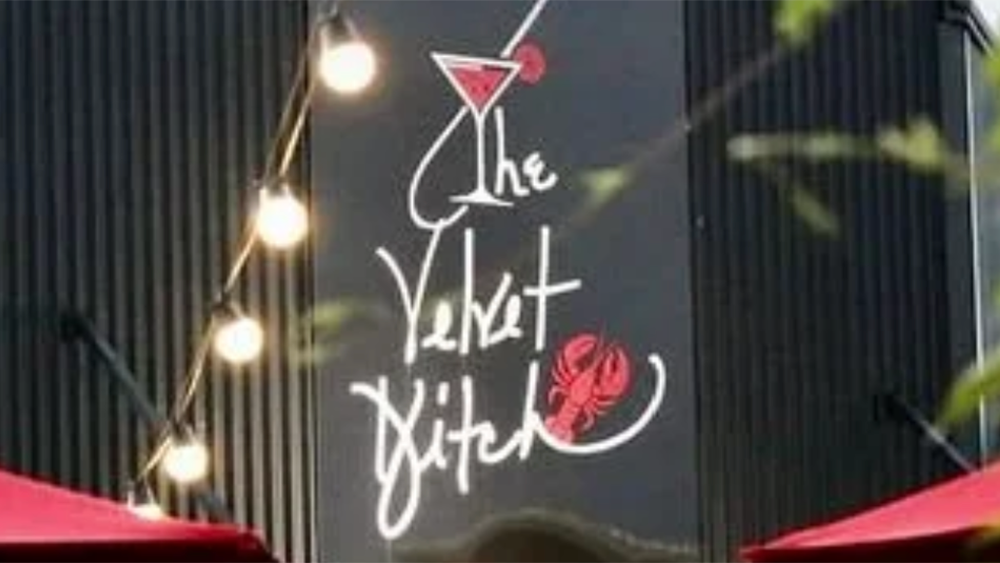
OXFORD, Miss. — The Velvet Ditch has become a regular stop for people looking for seafood plates, sandwiches and a sports-bar setting near the Oxford Square.
Its menu leans toward familiar items, and the service is one of the reasons diners say they return. The restaurant sits on South Lamar Boulevard, close enough to campus and the Square to draw steady traffic on most nights.
The interior features televisions, open tables and a bar that stays busy during major sporting events. Staff members move between areas at a quick pace.
A visitor can see at a glance that the restaurant is built to handle crowds during football weekends or spring baseball series.
The menu includes catfish, shrimp, burgers and pasta dishes. One food-travel site highlighted the “Catfish with Grits” and the “Lobster Mac and Cheese” as standout items.
Another review praised the staff, noting that a server “went above and beyond to ensure guests had a memorable experience.” Those comments help show why service is often mentioned in accounts from diners.
Guests also mention that the kitchen keeps wait times short. Even on harder nights, food tends to reach tables in a steady rhythm. For people on a schedule, that can be a deciding factor.
Some patrons report that visiting in the early evening brings a quieter atmosphere. Later hours often mean a louder bar setting, especially during games or campus events.
One commenter on social media wrote that the place was “packed” but said staff and management stayed active and remained helpful. That reflects a common pattern in local feedback.
The porch and outdoor seating add to the appeal, especially during fall and spring weather. The spot offers extra room for groups and keeps the dining room from feeling crowded when traffic picks up.
For diners seeking a consistent seafood option that works for friends, families or visitors, The Velvet Ditch meets those expectations without trying to be a fine-dining restaurant.
Most guests seem to accept it as a casual place where they can get reliable favorites.
Menu impressions and pacing
Portion sizes fall on the larger side. Some customers report leaving with leftovers, which adds value for a college-town audience.
Pricing falls within the range expected for a restaurant near the Square, though the seafood dishes push slightly higher than the sandwiches.
Most tables seem to order at least one fried dish. For people choosing wings or fried seafood, asking about crispness is a reasonable step.
One local blog gave the wings a 6.8 out of 10, citing texture but praising the seasoning and service.
It is not unusual for fried items to vary between busy and slow shifts, and guests sometimes adjust their orders based on earlier visits.
Pasta selections, including shrimp-based dishes, tend to draw positive remarks for flavor.
Several diners have shared online comments praising the seasoning balance, which can be harder to maintain in larger kitchens on crowded nights.
Service remains one of the restaurant’s strengths. Reports mention hosts greeting guests quickly and servers keeping check-ins consistent without becoming intrusive.
These basic steps stand out in a setting that often juggles game-day crowds.
The bar area typically fills first. Guests wanting a quieter space may choose tables near the front or the patio. Staff usually offer guidance on where noise levels are lower.
Visitors should expect a mixed crowd. Students, families, alumni and travelers pass through during busy weekends.
The range creates a social atmosphere without shifting the restaurant’s identity into a full bar.
When the pace picks up, the kitchen maintains a workmanlike rhythm. Though the menu is wide enough to challenge any staff during peak hours, food tends to be steady.
This consistency is part of why the restaurant keeps its place among Oxford’s regular dining choices.
Final thoughts
The Velvet Ditch presents itself as a casual dining option that fits Oxford’s blend of campus life and regional visitors.
Diners visiting early in the evening, before louder crowds settle in, often get a more relaxed experience. Later hours tilt toward a sports-bar feel, but service remains attentive.
The restaurant’s strengths lie in its steady approach. It does not try to compete with upscale dining rooms in town.
Instead, it focuses on familiar dishes, efficient service and a setting that suits both weeknight diners and visitors in town for a game.
For people seeking seafood or bar favorites near the Square, The Velvet Ditch offers a dependable choice.
Key takeaways
-
The Velvet Ditch delivers steady service and familiar seafood-and-bar dishes near the Oxford Square.
-
Early visits offer quieter meals, while later hours bring louder sports-bar energy.
-
Portions are large, and service remains a strong point even on busy nights.
Eating Oxford
Captain Morgan’s Pirate Ship Grounds on the Oxford Square for Three Days of Swashbuckling Fun
Captain Morgan’s Pirate Ship drops anchor in Oxford Square for a three-day rum-filled adventure supporting local arts programs.

The Oxford Square is about to get a taste of the high seas as Captain Morgan’s legendary Pirate Ship makes landfall for three days of rum, revelry, and community celebration. The nearly 40-foot vessel will drop anchor right in the heart of downtown, inviting residents and visitors alike to climb aboard for photos, exploration, and a chance to join the pirate crew—if they dare.
The festivities kick off Thursday, November 13, with the Captain Morgan Pirate Pub Crawl, benefitting the Yoknapatawpha Arts Council. The crawl begins with a 7:30 p.m. check-in at The Powerhouse Community Arts Center, where participants will experience the Captain’s Tailgate Tour Ship and enjoy a signature cocktail.
From there, crews will sail through town—stopping at Moe’s Penny Bar, Back Nine, Quack’s, and The Blind Pig Pub—collecting treasure map stamps, stories, and plenty of pirate memories along the way. The night culminates with a grand drawing for a Captain Morgan Yeti Cooler, stocked with spirits and exclusive gear.
The event is free, with donations and drink proceeds directly supporting the Arts Council’s free community arts programs throughout Oxford.
Participants are encouraged to arrive in full pirate regalia for extra raffle entries and bragging rights.
So grab your eyepatch, raise your glass, and prepare to set sail without ever leaving the Square. The Captain Morgan Pirate Ship may be grounded—but the adventure, and the cause it supports, will lift everyone’s spirits.
To learn more, visit www.oxfordarts.com.
Eating Oxford
Lenora’s in Oxford delivers solid Southern fare with attentive service
At Lenora’s Restaurant in Oxford, Mississippi the seafood is fresh, the staff attentive, and dishes like rib eye and catfish stand out
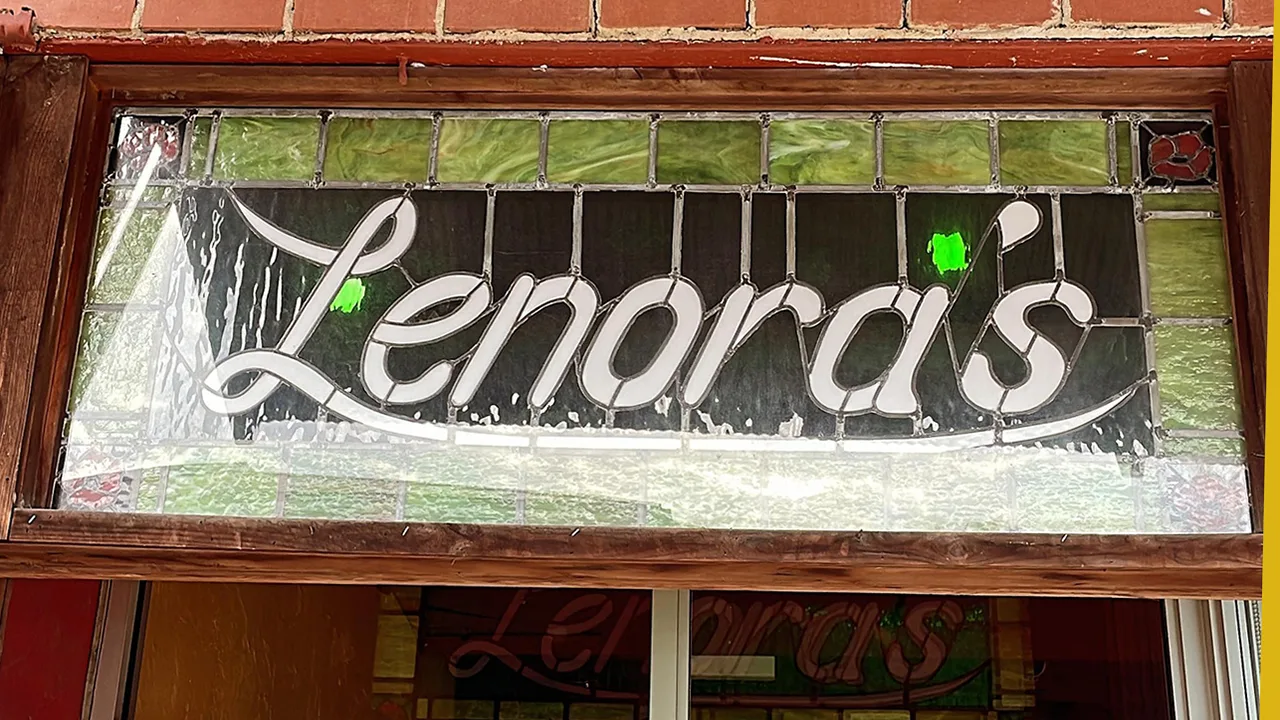
OXFORD, Miss. — At Lenora’s Restaurant in the heart of Oxford, Mississippi, quality doesn’t come from gimmicks or gimmickry.
It’s built from consistency, craft, and the quiet confidence of a kitchen that knows its identity of Southern elegance, balanced by seafood staples and a touch of upscale polish.
A first impression that lasts
Situated at 309 North Lamar Boulevard, just steps away from the Square, Lenora’s manages to create a dining experience that feels elevated without being exclusive.
Soft lighting, rustic wood accents, and an uncluttered layout give the space a comfortable rhythm.
There’s a sense of refinement that doesn’t need to announce itself. It simply exists, welcoming guests into a dining room that suits both quiet conversation and shared celebration.
Tables are well-spaced, and the pace is deliberately calm. From the moment diners walk in, staff are attentive but never overbearing, allowing the experience to unfold at its own tempo.
A menu with depth and purpose
The menu at Lenora’s blends Southern influence with coastal finesse.
The star attractions often lean toward seafood—dishes like the seared catfish Lenora and shrimp pasta Lenora exemplify the restaurant’s commitment to familiar flavors delivered with thoughtful precision.
These dishes arrive hot, well-seasoned, and plated with attention that suggests pride behind the scenes.
Steaks are another strong point. The rib-eye, in particular, arrives with a sear that holds its juices and a side of smashed potatoes that achieves that rare feat of being both comforting and composed.
The mixed grill offerings allow guests to sample a little bit of everything—surf and turf combinations that work in harmony.
Appetizers such as the jumbo lump crab cake and the beef tenderloin skewer serve as a warm welcome to the meal. Meanwhile, seasonal salads, grilled vegetables, and expertly prepared greens round out the plate without feeling like afterthoughts.
Service that elevates the experience
While food often gets top billing in restaurant reviews, the service at Lenora’s deserves its own recognition. Guests routinely highlight the staff’s friendliness and professionalism.
In one recent example, a reviewer praised server Emily S. for being “calm, friendly, and super attentive,” even during a particularly busy evening.
That level of consistency isn’t an accident. The staff—from the front-of-house to the kitchen—operate with clear communication and a shared understanding of what makes for a great dining experience: timing, warmth, and a sense of ease.
Even when the restaurant is bustling on weekends or special occasions, the flow remains steady. Courses arrive at the right intervals, water glasses stay full, and special requests are handled without hesitation.
Finishing strong with dessert and drinks
When it comes to the final course, Lenora’s makes a strong case for lingering just a little longer.
Bread pudding with white chocolate sauce is a standout, offering a warm, rich bite without becoming overly heavy.
Other dessert selections rotate seasonally, giving repeat diners something new to look forward to.
The bar program includes handcrafted cocktails, a curated wine list, and premium spirits, creating an opportunity to extend the evening in relaxed fashion.
Whether it’s a classic old fashioned or a house-infused martini, the drink selection pairs naturally with the pace and style of the meal.
Consistency and craft at the center
Lenora’s isn’t trying to be trendy. It isn’t chasing viral moments or social media flash. What it offers instead is something harder to replicate: a sense of place.
A restaurant that knows who it is, knows what it does well, and delivers on that promise night after night.
It’s this combination of skill in the kitchen, warmth at the table, and ease in the atmosphere that makes Lenora’s a cornerstone of Oxford’s dining scene.
Whether it’s a dinner out with family, a date night, or a business conversation over a meal, Lenora’s fits the moment.
Location and hours of operation
-
Address: 309 North Lamar Boulevard, Oxford, Mississippi 38655
-
Phone: (662) 236‑1144
-
Hours:
-
Monday, Tuesday, Thursday: 5:00 p.m. – 9:00 p.m.
-
Wednesday, Friday, Saturday: 5:00 p.m. – 10:30 p.m.
-
Sunday: Closed
-
Note: On major event weekends, opening hours may shift to 4:00 p.m.
-
3 key takeaways
-
Southern seafood done right — Signature dishes like the seared catfish and shrimp pasta showcase flavor without overcomplicating.
-
Service with care — Staff are consistently described as professional, warm, and attentive, contributing to the calm, composed environment.
-
Refined but relaxed — The space strikes a balance between casual comfort and upscale polish, making it accessible to all types of diners.

Hunter Elliott Joins Elite Ole Miss Company in Win Over Texas A&M

Ole Miss Softball Lands Two Players on All-SEC Second Team

How to Watch Ole Miss Baseball’s Crucial SEC Opener Against Texas A&M


-
Eating Oxford12 years ago
Food & Drink: What’s Hot and What’s Not in 2015
-
Arts & Entertainment9 years ago
EatingOxford: 3 Steps to Success at 3 Blind Wines
-
Eating Oxford12 years ago
HottyToddy Tailgate: Crescent Rolls 5 Ways
-

 Eating Oxford4 years ago
Oxford restaurants adjust to inflation, other pressures by raising prices
-
Eating Oxford13 years ago
My Michelle’s: Personal Chefs
-
 Eating Oxford4 years ago
Locally Driven and Focused to Serve from Day to Night: Good Day Café & Bar Muse
-
 Eating Oxford4 years ago
“I am from here”: Snackbar Chef Vishwesh Bhatt celebrates new cookbook
-
Eating Oxford10 years ago
Oxford Stories: Chicken on a Stick Is an Oxford Tradition