
Eating Oxford
On Cooking Southern: Catfish Configurations

By Laurie Triplette
ldtriplette@aol.com
Southernism of the Week:
He’s been catfished: This recent expression refers to someone who’s been emotionally duped on the internet by another person. Think Manti Te’o of Notre Dame… Not to be mistaken for the delectable aquatic species we consume regularly across the South, a catfish is a person who’s trolling for prey on the internet by pretending to be more glamorous or appealing than in real life.
IT’S STILL CATFISH-EATING TIME IN MISSISSIPPI
August was National Catfish Month.
I COULD say “Oops, we missed it!” I’d be wrong, because here in Mississippi, every month is catfish month.
Mississippi is the leading producer of American farm-raised catfish. The Catfish Institute of America is headquartered in Indianola, MS, and Belzoni, MS, claims to be the Catfish Capitol of the World (a claim contested by the other catfish capitols, Savannah, TN and Des Allemand, LA). At one point, more than 60 percent of all American farm-raised catfish were grown within a 65-mile radius of Belzoni. The town still hosts a World Catfish Festival every April.
American catfish farming started in 1963 in the Arkansas Delta when some clever farmers figured out how to replace marginally productive cotton-growing wetlands with a more profitable product. Mississippians jumped into the pool in 1965, and by 1970 had begun to eclipse our neighboring state’s efforts.
By 2005, Mississippi catfish farmers were producing 55 percent of American farm-raised catfish in a booming industry also encompassing Arkansas, Alabama, Louisiana and several other states. During that peak period of 2003-2005, American catfish farms grossed about $450 million a year, yielding about 600-650 million pounds of farm-raised channel and blue catfish of the order Suliriformes.
A lot of technological advances occurred to make this an American success story.
Through trial and error, the American catfish industry identified optimal growing and harvesting conditions, and developed special catfish feed to boost growth of the fry while maintaining high food value and pleasant flavor. (American farm-raised catfish are high in Vitamin D and in Omega 6 fatty acids.)
 Success, however, breeds imitation and competition.
American catfish farmers attracted attention from producers in Asia, where cuisine has traditionally featured Suliriformes catfish and catfish-like species. The 2001 U.S.-Vietnam Bilateral Trade Agreement legalized imports of Vietnamese fish into the American market.
The imported fish were labeled “White Roughy” and “River Cobbler,” but those names didn’t pique American consumers’ culinary tastes. The Vietnamese quickly relabeled their fish catfish, and the term covered a range of catfish-like species.
Congress passed a law in a 2001 bill stipulating that only catfish produced in North America could be labeled as “catfish,” and followed with the 2002 Farm Bill requirement for Country of Origin Labeling (COOL) that included fish. This triggered an ongoing debate of the definition of “catfish,” as well as accusations of American protectionism.
Nevertheless, the tide turned for catfish imports versus exports. During its peak in 2003, the American catfish industry provided more than 80 percent of the catfish sold worldwide. Its share has shrunk steadily since then, down in 2013 to about 20 percent at the same time worldwide consumption has increased.
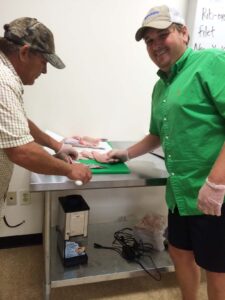
Russell Carson (left) and Indianola Fresh Market Owner Will Adams prepare catfish filets.
U.S. catfish processing has declined nearly 50 percent since 2005, although production and profits were both up slightly in 2013 over 2012 figures. U.S. acreage devoted to catfish farming has fallen 121,135 acres — down 62 percent from its peak acreage in 2002.
Catfish and catfish-like products imported into the U.S. now come from Vietnam, China, Bangladesh, the Philippines and Thailand, with 79 percent coming from Vietnam.
During January 2013 alone, Americans consumed 19.4 million pounds of the imported catfish. By comparison, during the same period American farmers processed about 30 million pounds of farm-raised catfish, exporting about 377,000 pounds of fresh catfish fillets. American exports go to Canada, China, Kuwait, Mexico, United Arab Emirates, and Vietnam.
A number of factors affect American producers’ potential for profitability. For example, catfish feed prices have risen 109 percent in recent years because of escalating costs for corn and soybeans, which are key components of the American industry’s feed. Those costs in large part have been due to high fuel prices, which also have affected farm-to-market costs and other manufacturing costs. Many of the former catfish farmers have turned to growing soybeans for assured profit.
Asian producers consistently have been able to undercut American fuel and feed costs, and have not been subjected to the same level of quality inspections as American producers.
The 2008 Farm Bill moved accountability for catfish inspection from the U.S. Food and Drug Administration (FDA) to the U.S. Department of Agriculture (USDA), under the agency’s Food Safety Inspection Service (FSIS). They created an Office of Catfish Inspection (OCI). The intent was for catfish producers to be inspected daily like meat producers, instead of every few years as before.
However, USDA catfish inspection regulations have never been issued. Asian and Pacific nations in the World Trade Organization also have argued that the requirement was a protectionist move disguised as food safety.
But food safety remains a critical issue with regard to imported seafood. The Federal Centers for Disease Control and Prevention (CDC) has issued reports critical of imports. A CDC report in March 2012 cited 39 illness outbreaks between 2005 and 2010 that were linked to food from foreign sources; 17 were from seafood.
In addition, the FDA has retained authority to reject imported seafood if it does not comply with the Food, Drug and Cosmetic Act. For years, the Catfish Institute has traced the FDA list of import refusals under this act. In 2011 alone, the FDA refused imports of Asian pangasius fish10 times. During the same period in 2012, the FDA refused imports 15 times (out of a total of 202 million pounds imported). The refusals, according the Catfish Institute, were based on the presence of dangerous substances such as the toxin Melamine and Flouroquinolone antibiotics, which are banned in American foods.
America is not alone in its concern for consumer safety in Asian seafood imports. On January 31 of this year, the Russian Agency for Health and Consumer Right banned imports of Vietnam’s catfish-like pangasius fish after finding E. coli and listeria in fish products from 16 out of 35 Vietnamese exporting fish farms. They have yet to lift the ban.
The U.S. House of Representatives agreement of the 2014 Farm Bill, passed earlier this year, clarifies the definition of catfish to exclude other species. The Farm Bill also includes new language ordering the FDA and USDA’s FSIS to enter into a Memorandum of Understanding (MOU) to improve interagency cooperation and to prevent duplication. In May, the agencies achieved a sort of bureaucratic détente, with the agreement covering Siluriformes fish and fish products, including commercial catfish, basa (a common Vietnamese catfish-like fish) and pangasius.
The agreement commits the two agencies to “plan for an orderly, phased transition of primary regulatory authority over catfish and catfish-like products.” They are committing to coordinate issuing catfish-related guidance and regulation and to ensure that the products are inspected regularly. It is expected that the oversight will result in higher quality standards for imports. It remains to be seen whether or not this will result in improved sales for American farm-raised catfish.
GOT MISSISSIPPI CATFISH? HERE’S WHAT TO DO WITH IT.
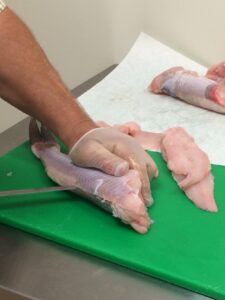 Mississippi farm-raised catfish is a must for anyone wanting to taste this white-fleshed fish at its best. We Oxonians have access to fresh Mississippi farm-raised catfish through two vendors — LB Meat Market on University Avenue across the street from Kroger, and Indianola Fresh Market, at 2000 W. Jackson Avenue, in the former AT&T store space. It’s a stock product at Indianola, which will even fillet the fish to order and let the customer take away the bones to use for making fish stock. LB’s sells it by the case on request.
 When it comes to frying catfish, every cook has a secret combination of ingredients, or oil, or even the temperature to which the oil must be heated. While some cooks fixate on frying at 350-365˚F, Taylor Grocery fries their Mississippi farm-raised catfish in peanut oil at a temperature of 325˚F to ensure that the fish is evenly cooked inside and out.
Another factor for consideration is whether or not to dredge the catfish in buttermilk and eggs. Most everyone agrees that the basis for the fish crust must be cornmeal, cut with a smaller amount of flour. The ratios make a difference —usually 3 parts cornmeal to 1 part flour. Some cooks like to add leavening such as baking powder. Others prefer the crispiness achieved by omitting a leavener. The only way to achieve personal satisfaction is to experiment.
The version I have developed calls for combining self-rising corn meal with a small amount of all-purpose flour. It creates a thick crust for the catfish that can become too bread-y. I use it anyway because it makes a terrific hushpuppy batter. Substitute plain corn meal and plain flour (3-to-1 ratio) in place of the self-rise if you want classic fried catfish.
Serve with ketchup and tartar sauce, along with a slice of lemon to squeeze on the fish in Southern fish-camp tradition. The best sides with fried or grilled catfish are some sort of slaw, hushpuppies, and baked beans. We’ll save the beans for another day.
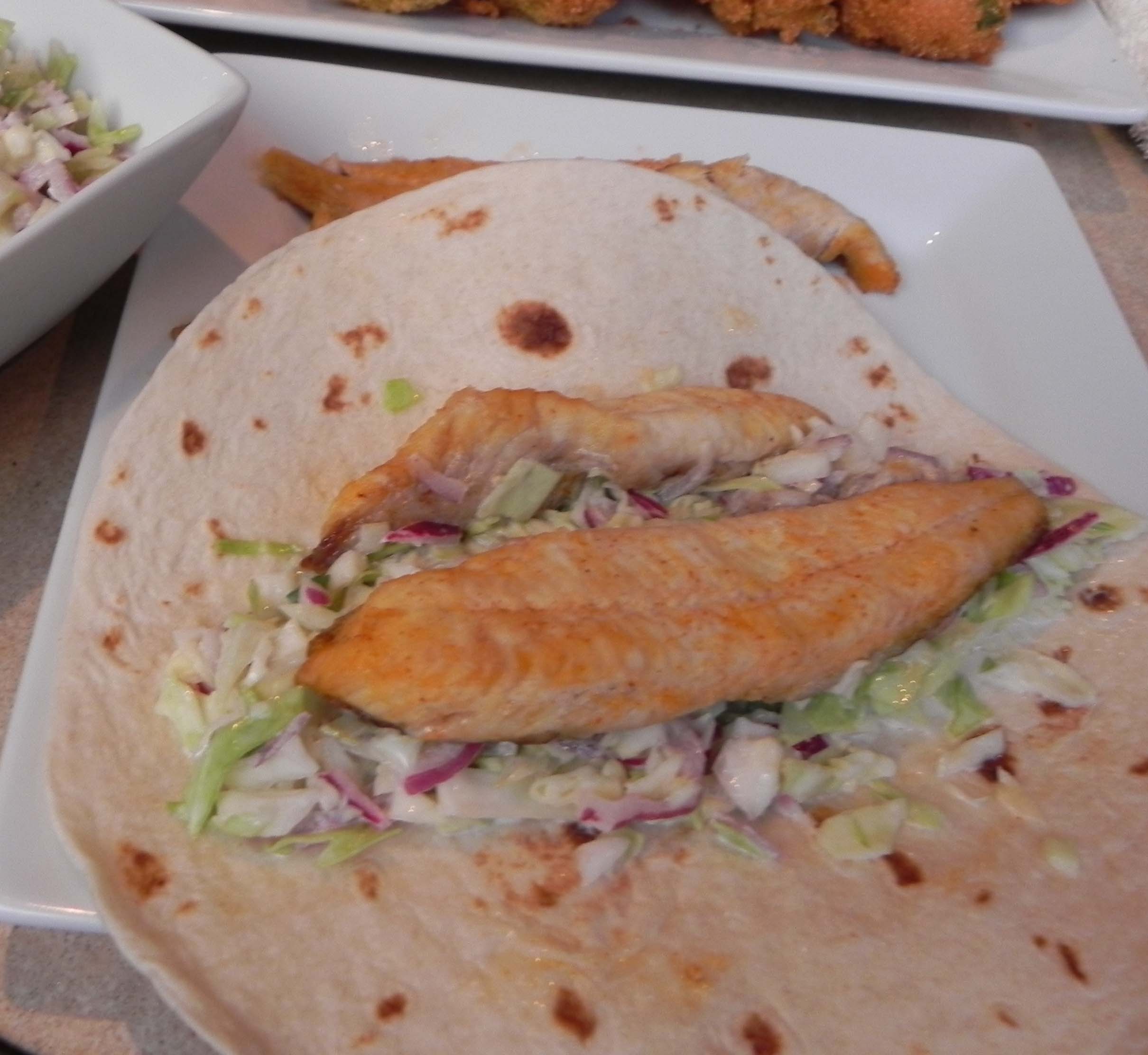
Of course, Southern catfish lovers will eat it any which way, grilled being the optimal second choice. What to do with the grilled fish, however, is a matter of personal choice. I highly recommend combining the grilled fish with slaw in taco wraps.
CATFISH SLAW
 This slaw is a must for grilled catfish tacos, and is an excellent foil for fried catfish. I experimented with using ONLY agave nectar, but found that the crystallized sugar was needed for thickening and for clarifying the flavor. Feel free to substitute stevia or Splenda for the sugar.
4 c shredded cabbage
1/4 c medium red onion, sliced paper-thin and slices quartered
1/2 jalapeño pepper, seeded and chopped fine
1 clove garlic, minced
1/4 c plain Greek yogurt
Juice of 1 lime (about 2 T)
2 T mayonnaise
2 T organic raw agave nectar
2 T white granulated sugar
Salt and pepper, to taste
Slice the cabbage into thin chiffonades. Chop the chiffonades. Combine cabbage with the red onion in a large mixing bowl.
In a smaller bowl, combine the remaining ingredients and whisk until blended. Pour over the cabbage mixture and toss well to coat. Season with salt and pepper, to taste. Refrigerate at least 30 minutes. When ready to serve, drain excess liquid. Yields about 6 servings.
GRILLED FISH TACOS
 Fried or grilled? It’s a matter of personal taste whether to use fried or grilled catfish in fish tacos. Another matter of personal taste is the type of tortilla — flour or corn, soft or crispy. The soft tortillas make up more like a burrito wrap. I prefer to save the crisp taco shells for fried fish layered with pico de gallo and lettuce.
1/2 tsp garlic powder
1/4 tsp ground cumin
1/4 tsp chili powder
1 tsp kosher salt
1/4 tsp ground black pepper
1 T extra light olive oil
Juice of 2 limes (about 3 T)
4 fillets of farm-raised catfish
4 to 6 (8-inch) flour tortillas OR crisp corn taco shells
The seasoning blend in this recipe results in excellent flavor on grilled fish, with or without the taco. Combine the spices in a small bowl. Place the fish in a ziplock freezer bag. Whisk the oil and lime juice and pour over the fish in the bag. Add the spice mixture and seal the bag. Shake well to coat; refrigerate in the bag for 15-30 minutes.
Cook the fish either on a grill or in the oven. If on the grill, place fillets on a grill tray with grill heated to 400˚F. Cook 3 to 4 minutes on each side. If using the oven, place fillets on broiler tray over broiler pan and broil for about 3 minutes per side until the flesh turns white and edges begin to curl.
Before assembling soft tortilla fish tacos, first heat the flour tortillas in microwave by wrapping in two damp paper towels and microwaving for about 1 minute. To heat flour or corn tortillas on the grill, simply place on the grill for about a minute per side, long enough to heat and leave grill marks.
Place about 4 tablespoons of catfish slaw down the center of each tortilla. Position a fillet or half a fillet on top of the slaw and fold the tortilla.
FRIED CATFISH AND HUSHPUPPIES
 Self-rising cornmeal puffs up and doesn’t adhere as well to the fried fish as plain cornmeal. The key to success here is to LIGHTLY coat in the meal mixture after dredging in the buttermilk and egg, or to forego the egg and second dredging altogether. This recipe makes up a LOT of hushpuppies.
4 farm-raised catfish, cleaned and filleted
1-1/2 to 2 c whole Bulgarian buttermilk
5 c yellow cornmeal (self rising)
2 T all-purpose flour
1/4 to 1/2 tsp Tony’s Original Creole Seasoning
2 tsp table salt
1/2 tsp black pepper
1/8 tsp cayenne pepper
1 onion, chopped fine
1/2 c chopped green onion
1/2 jalapeño pepper, seeded and chopped fine
1/2 c chopped bell pepper (about half a pepper)
2 large eggs, beaten
Peanut oil, canola oil, or vegetable shortening
Rinse the catfish and pat dry. Marinate the catfish in the buttermilk about 30 minutes. Beat eggs in a bowl and set aside.
Mix the cornmeal, flour, Tony’s, cayenne, salt and pepper in a large pan.
Heat oil in a deep fryer or large iron skillet to about 350˚F. Dredge each buttermilk-soaked catfish fillet in the cornmeal mix. Dip into beaten egg, then dredge a second time in the cornmeal. Gently wiggle each piece of fish into the hot oil. Do not crowd it. Gently flip each fillet after about 3 or 4 minutes. If frying in a skillet, use tongs and spatula to gently turn one time. Deep-fried fish will begin to rise when done.
Remove fried fish to a wire rack positioned on a pan to drain excess grease. Keep catfish warm until ready to serve by placing the pan of catfish in oven preheated to 225ºF.
Mix remaining buttermilk, egg, onions, jalapeño and bell pepper with the remaining cornmeal blend. If mixture is too soupy, add more cornmeal until it becomes just thick enough to hold together loosely. Drop by the scant teaspoon into the fryer, turning after about a minute to brown both sides. Drain on a rack placed over a broiler pan. (Self-rising cornmeal causes the batter to swell to double its size, so be sparing when spooning dollops of batter into the hot oil.) Serve fried catfish and hushpuppies with catfish slaw.
VARIATION: If using plain cornmeal for the catfish breading, add 2 T each of baking soda and baking powder when making the hushpuppies.
Laurie Triplette is a writer, historian, and accredited appraiser of fine arts, dedicated to preserving Southern culture and foodways. Author of the award-winning community family cookbook GIMME SOME SUGAR, DARLIN’, and editor of ZEBRA TALES (Tailgating Recipes from the Ladies of the NFLRA), Triplette is a member of the Association of Food Journalists (AFJ),Southern Foodways Alliance (SFA) and the Southern Food and Beverage Museum (SOFAB). Check out the GIMME SOME SUGAR, DARLIN’ web site and follow Laurie’s food adventures on Facebook and Twitter (@LaurieTriplette).
Eating Oxford
The Velvet Ditch brings seafood and steady service to Oxford
A new hot spot offering seafood, bar favorites and steady service in a setting that fits both weeknights and game weekends

OXFORD, Miss. — The Velvet Ditch has become a regular stop for people looking for seafood plates, sandwiches and a sports-bar setting near the Oxford Square.
Its menu leans toward familiar items, and the service is one of the reasons diners say they return. The restaurant sits on South Lamar Boulevard, close enough to campus and the Square to draw steady traffic on most nights.
The interior features televisions, open tables and a bar that stays busy during major sporting events. Staff members move between areas at a quick pace.
A visitor can see at a glance that the restaurant is built to handle crowds during football weekends or spring baseball series.
The menu includes catfish, shrimp, burgers and pasta dishes. One food-travel site highlighted the “Catfish with Grits” and the “Lobster Mac and Cheese” as standout items.
Another review praised the staff, noting that a server “went above and beyond to ensure guests had a memorable experience.” Those comments help show why service is often mentioned in accounts from diners.
Guests also mention that the kitchen keeps wait times short. Even on harder nights, food tends to reach tables in a steady rhythm. For people on a schedule, that can be a deciding factor.
Some patrons report that visiting in the early evening brings a quieter atmosphere. Later hours often mean a louder bar setting, especially during games or campus events.
One commenter on social media wrote that the place was “packed” but said staff and management stayed active and remained helpful. That reflects a common pattern in local feedback.
The porch and outdoor seating add to the appeal, especially during fall and spring weather. The spot offers extra room for groups and keeps the dining room from feeling crowded when traffic picks up.
For diners seeking a consistent seafood option that works for friends, families or visitors, The Velvet Ditch meets those expectations without trying to be a fine-dining restaurant.
Most guests seem to accept it as a casual place where they can get reliable favorites.
Menu impressions and pacing
Portion sizes fall on the larger side. Some customers report leaving with leftovers, which adds value for a college-town audience.
Pricing falls within the range expected for a restaurant near the Square, though the seafood dishes push slightly higher than the sandwiches.
Most tables seem to order at least one fried dish. For people choosing wings or fried seafood, asking about crispness is a reasonable step.
One local blog gave the wings a 6.8 out of 10, citing texture but praising the seasoning and service.
It is not unusual for fried items to vary between busy and slow shifts, and guests sometimes adjust their orders based on earlier visits.
Pasta selections, including shrimp-based dishes, tend to draw positive remarks for flavor.
Several diners have shared online comments praising the seasoning balance, which can be harder to maintain in larger kitchens on crowded nights.
Service remains one of the restaurant’s strengths. Reports mention hosts greeting guests quickly and servers keeping check-ins consistent without becoming intrusive.
These basic steps stand out in a setting that often juggles game-day crowds.
The bar area typically fills first. Guests wanting a quieter space may choose tables near the front or the patio. Staff usually offer guidance on where noise levels are lower.
Visitors should expect a mixed crowd. Students, families, alumni and travelers pass through during busy weekends.
The range creates a social atmosphere without shifting the restaurant’s identity into a full bar.
When the pace picks up, the kitchen maintains a workmanlike rhythm. Though the menu is wide enough to challenge any staff during peak hours, food tends to be steady.
This consistency is part of why the restaurant keeps its place among Oxford’s regular dining choices.
Final thoughts
The Velvet Ditch presents itself as a casual dining option that fits Oxford’s blend of campus life and regional visitors.
Diners visiting early in the evening, before louder crowds settle in, often get a more relaxed experience. Later hours tilt toward a sports-bar feel, but service remains attentive.
The restaurant’s strengths lie in its steady approach. It does not try to compete with upscale dining rooms in town.
Instead, it focuses on familiar dishes, efficient service and a setting that suits both weeknight diners and visitors in town for a game.
For people seeking seafood or bar favorites near the Square, The Velvet Ditch offers a dependable choice.
Key takeaways
-
The Velvet Ditch delivers steady service and familiar seafood-and-bar dishes near the Oxford Square.
-
Early visits offer quieter meals, while later hours bring louder sports-bar energy.
-
Portions are large, and service remains a strong point even on busy nights.
Eating Oxford
Captain Morgan’s Pirate Ship Grounds on the Oxford Square for Three Days of Swashbuckling Fun
Captain Morgan’s Pirate Ship drops anchor in Oxford Square for a three-day rum-filled adventure supporting local arts programs.

The Oxford Square is about to get a taste of the high seas as Captain Morgan’s legendary Pirate Ship makes landfall for three days of rum, revelry, and community celebration. The nearly 40-foot vessel will drop anchor right in the heart of downtown, inviting residents and visitors alike to climb aboard for photos, exploration, and a chance to join the pirate crew—if they dare.
The festivities kick off Thursday, November 13, with the Captain Morgan Pirate Pub Crawl, benefitting the Yoknapatawpha Arts Council. The crawl begins with a 7:30 p.m. check-in at The Powerhouse Community Arts Center, where participants will experience the Captain’s Tailgate Tour Ship and enjoy a signature cocktail.
From there, crews will sail through town—stopping at Moe’s Penny Bar, Back Nine, Quack’s, and The Blind Pig Pub—collecting treasure map stamps, stories, and plenty of pirate memories along the way. The night culminates with a grand drawing for a Captain Morgan Yeti Cooler, stocked with spirits and exclusive gear.
The event is free, with donations and drink proceeds directly supporting the Arts Council’s free community arts programs throughout Oxford.
Participants are encouraged to arrive in full pirate regalia for extra raffle entries and bragging rights.
So grab your eyepatch, raise your glass, and prepare to set sail without ever leaving the Square. The Captain Morgan Pirate Ship may be grounded—but the adventure, and the cause it supports, will lift everyone’s spirits.
To learn more, visit www.oxfordarts.com.
Eating Oxford
Lenora’s in Oxford delivers solid Southern fare with attentive service
At Lenora’s Restaurant in Oxford, Mississippi the seafood is fresh, the staff attentive, and dishes like rib eye and catfish stand out
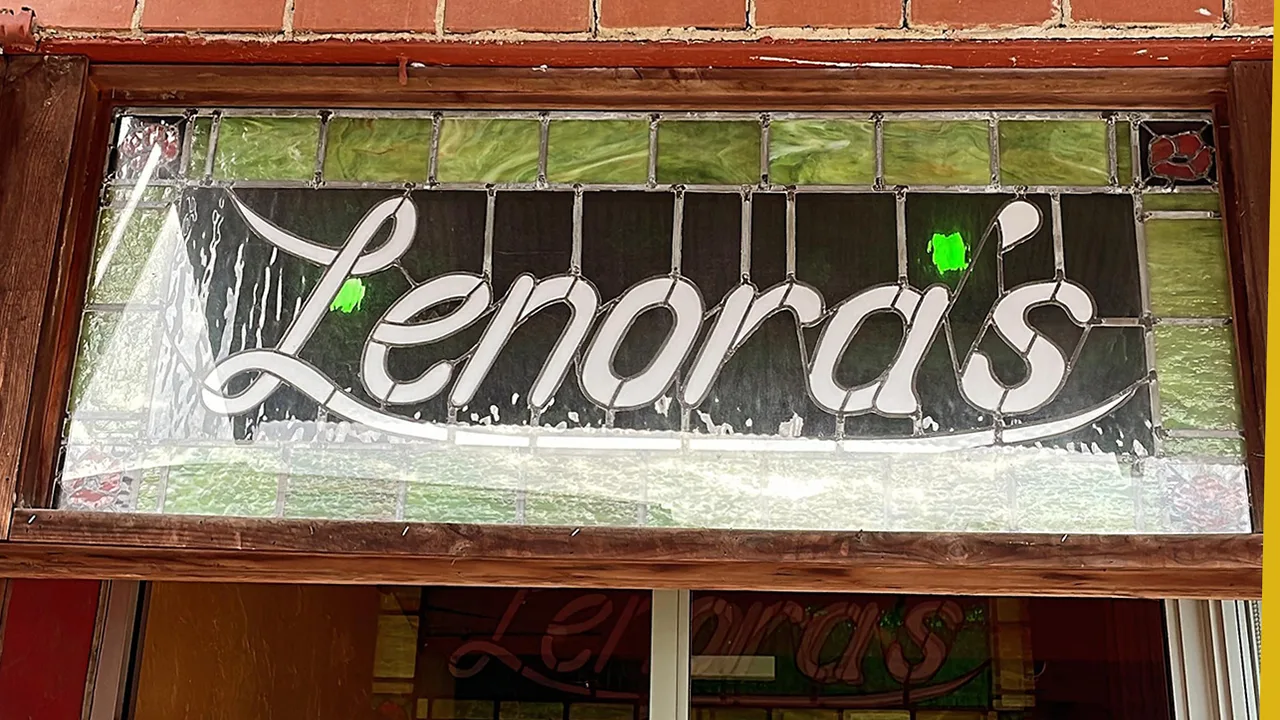
OXFORD, Miss. — At Lenora’s Restaurant in the heart of Oxford, Mississippi, quality doesn’t come from gimmicks or gimmickry.
It’s built from consistency, craft, and the quiet confidence of a kitchen that knows its identity of Southern elegance, balanced by seafood staples and a touch of upscale polish.
A first impression that lasts
Situated at 309 North Lamar Boulevard, just steps away from the Square, Lenora’s manages to create a dining experience that feels elevated without being exclusive.
Soft lighting, rustic wood accents, and an uncluttered layout give the space a comfortable rhythm.
There’s a sense of refinement that doesn’t need to announce itself. It simply exists, welcoming guests into a dining room that suits both quiet conversation and shared celebration.
Tables are well-spaced, and the pace is deliberately calm. From the moment diners walk in, staff are attentive but never overbearing, allowing the experience to unfold at its own tempo.
A menu with depth and purpose
The menu at Lenora’s blends Southern influence with coastal finesse.
The star attractions often lean toward seafood—dishes like the seared catfish Lenora and shrimp pasta Lenora exemplify the restaurant’s commitment to familiar flavors delivered with thoughtful precision.
These dishes arrive hot, well-seasoned, and plated with attention that suggests pride behind the scenes.
Steaks are another strong point. The rib-eye, in particular, arrives with a sear that holds its juices and a side of smashed potatoes that achieves that rare feat of being both comforting and composed.
The mixed grill offerings allow guests to sample a little bit of everything—surf and turf combinations that work in harmony.
Appetizers such as the jumbo lump crab cake and the beef tenderloin skewer serve as a warm welcome to the meal. Meanwhile, seasonal salads, grilled vegetables, and expertly prepared greens round out the plate without feeling like afterthoughts.
Service that elevates the experience
While food often gets top billing in restaurant reviews, the service at Lenora’s deserves its own recognition. Guests routinely highlight the staff’s friendliness and professionalism.
In one recent example, a reviewer praised server Emily S. for being “calm, friendly, and super attentive,” even during a particularly busy evening.
That level of consistency isn’t an accident. The staff—from the front-of-house to the kitchen—operate with clear communication and a shared understanding of what makes for a great dining experience: timing, warmth, and a sense of ease.
Even when the restaurant is bustling on weekends or special occasions, the flow remains steady. Courses arrive at the right intervals, water glasses stay full, and special requests are handled without hesitation.
Finishing strong with dessert and drinks
When it comes to the final course, Lenora’s makes a strong case for lingering just a little longer.
Bread pudding with white chocolate sauce is a standout, offering a warm, rich bite without becoming overly heavy.
Other dessert selections rotate seasonally, giving repeat diners something new to look forward to.
The bar program includes handcrafted cocktails, a curated wine list, and premium spirits, creating an opportunity to extend the evening in relaxed fashion.
Whether it’s a classic old fashioned or a house-infused martini, the drink selection pairs naturally with the pace and style of the meal.
Consistency and craft at the center
Lenora’s isn’t trying to be trendy. It isn’t chasing viral moments or social media flash. What it offers instead is something harder to replicate: a sense of place.
A restaurant that knows who it is, knows what it does well, and delivers on that promise night after night.
It’s this combination of skill in the kitchen, warmth at the table, and ease in the atmosphere that makes Lenora’s a cornerstone of Oxford’s dining scene.
Whether it’s a dinner out with family, a date night, or a business conversation over a meal, Lenora’s fits the moment.
Location and hours of operation
-
Address: 309 North Lamar Boulevard, Oxford, Mississippi 38655
-
Phone: (662) 236‑1144
-
Hours:
-
Monday, Tuesday, Thursday: 5:00 p.m. – 9:00 p.m.
-
Wednesday, Friday, Saturday: 5:00 p.m. – 10:30 p.m.
-
Sunday: Closed
-
Note: On major event weekends, opening hours may shift to 4:00 p.m.
-
3 key takeaways
-
Southern seafood done right — Signature dishes like the seared catfish and shrimp pasta showcase flavor without overcomplicating.
-
Service with care — Staff are consistently described as professional, warm, and attentive, contributing to the calm, composed environment.
-
Refined but relaxed — The space strikes a balance between casual comfort and upscale polish, making it accessible to all types of diners.

Hunter Elliott Joins Elite Ole Miss Company in Win Over Texas A&M

Ole Miss Softball Lands Two Players on All-SEC Second Team

How to Watch Ole Miss Baseball’s Crucial SEC Opener Against Texas A&M


-
Eating Oxford12 years ago
Food & Drink: What’s Hot and What’s Not in 2015
-
Arts & Entertainment9 years ago
EatingOxford: 3 Steps to Success at 3 Blind Wines
-
Eating Oxford12 years ago
HottyToddy Tailgate: Crescent Rolls 5 Ways
-

 Eating Oxford4 years ago
Oxford restaurants adjust to inflation, other pressures by raising prices
-
Eating Oxford13 years ago
My Michelle’s: Personal Chefs
-
 Eating Oxford4 years ago
Locally Driven and Focused to Serve from Day to Night: Good Day Café & Bar Muse
-
 Eating Oxford4 years ago
“I am from here”: Snackbar Chef Vishwesh Bhatt celebrates new cookbook
-
Eating Oxford10 years ago
Oxford Stories: Chicken on a Stick Is an Oxford Tradition