
Eating Oxford
Southern Foodways: Georgia Fuzz: Weather, Workers, and the World’s Peach Paradise

Part I.
Nick Strickland lives in a double wide trailer on the outskirts of Fort Valley, Georgia. It’s a hot June day, and he’s wearing shorts, white socks, and white tennis shoes. An air conditioner window unit comes on and off periodically during our 90 minute conversation. It is his day off.
Mr. Strickland is semi-retired — as anyone pushing eighty years probably ought to be — but he still works long days for Lane Packing Company, which runs a roadside peach packing shed and agritourism complex a few miles down the road. He’s one of two farm tour drivers at Lane’s, and he spends these working hours driving curious visitors through the peach and pecan orchards and labor camps owned by the Lane family. This is not the first time he’s worked for Duke Lane; as a kid, he worked in the packing shed labeling crates; when he was older, he sold culled peaches to folks who wanted to can or ferment them. Later, he took over his father’s hardware store in downtown Fort Valley.
Mr. Strickland is trying to explain to me what peach season was like in Fort Valley when he was coming up in the 1930s and 1940s, when he comes to this:
It affected talcum powder. Would you have thought peaches would affect talcum powder? Well I’m goin’ to tell you how it does. Before we started washing the peaches, we’d bring peaches in from the field, you know, just pick ‘em, put ‘em in the box, bring ‘em in, brush ‘em, brush the fuzz off, damn fuzz goes everywhere, gets on your neck, you start scratchin’, you start .. all of a sudden, well, some of the girls found out — this is 60 years ago, 70 — they put a little talcum powder up there: and [it’s] protection. I said all along, talcum powder people owed the peach growers for growing peaches, ‘cause it just made the talcum powder business.[1]
Yes – talcum powder. In a certain sense, of course, this is sheer hyperbole. Talcum powder — magnesium hydroxyl silicate — is used for an array of skin issues such as razor burn or diaper rash, and clearly had an economic life of its own outside the Georgia peach belt.
But let’s just run with the hyperbole for a moment and say that talcum powder was a response to a biological characteristic of the peach, the presence of fuzz. Talcum powder mediated the relationship between human flesh and peach fuzz; it made the non-human world just a bit more comfortable for the people who dusted it onto the napes of their necks.
In a similar way, we might say that the peach put on fuzz to make its own passage through the world more comfortable. Fuzz came between the fruit’s flesh and the organisms that surrounded it: insects and their larvae, fungi and their spores, and human hands that hurried it to market
Much — to paraphrase William Carlos Williams — much depended on peach fuzz.
Peach fuzz, or to use the scientific term — and I am not making this up — “peach pubescence,” is composed of tiny hairs. Each of these hairs is an unusually shaped epidermal cell: The cylinder gets narrower toward the base, which means it’s a weak point when handled.[2]
 Image from M.J. Dorsey and J.S. Potter, “A Study of the Structure of the Skin and Pubescence of the Peach in Relation to Brushing,” University of Illinois Agricultural Experiment Station Bulletin 385 (November 1932), 407-424
As it turns out, the fuzz was very important. In the nineteenth century, horticulturists believed they could transform the South, liberate it from cotton and make it a place of fragrant orchards. But it wasn’t just peaches they had in mind. Apples, plums, strawberries, asparagus, figs, mulberries, apricots, cherries, quinces, persimmons. The leader of these horticulturists, a Belgian nobleman named Prosper Berckmans, devoted one of his orchard notebooks entirely to gooseberries. And he dearly hoped that the South would support pear and wine grape industries. Other horticulturists, to show their faith, gave their homes names like Pearmont and Vineland.
But despite the best efforts of the horticulturists, only peaches thrived in the South. In part the peach’s triumph stemmed from the difficulty of the southern environment: high humidity, warm winters, irregular rainfall, unpredictable springtime temperatures, all of which rolled out the welcome mat to pests and made trees more vulnerable to these pests. Other horticultural crops succeeded momentarily – apples in northern Georgia in the early twentieth century, wild goose plums in the cotton belt in the late nineteenth – but only peaches remained commercially viable for long.
The fuzz was part of what made the fruit a good environmental fit for the south. It made it harder, for example, for the plum curculio to lay its eggs in the fruit, and it makes it more difficult for fungi such as brown rot to get a foothold in the tender skin. Nectarines, are essentially identical to peaches save the fuzz, but have never been grown commercially in the southeast because they have too many “skin problems.”
And yet peach pubescence was also a handicap for the fruit. As a visitor put it to the most famous American plant breeder in the early twentieth century, Luther Burbank:
You’ve taken the thorns off of the blackberry bush and the spines from a cactus, why can’t you take the fuzz off a peach? Most of us don’t deal much with blackberry briers or with cactuses, spiny or otherwise; but we all eat peaches, and a good many of us would about as willingly bite into a spiny cactus as a fuzzy peach.”[3]
Fuzz dulled the surface of the skin, concealing an otherwise beautiful fruit. Add to this the sulphur — which growers began spraying on the fruit to protect it from brown rot late in the season — and the fuzz plus this fungicide residue made for a rather unattractive product.
So scientists and growers attacked this problem on two fronts. First, horticulturists bred the fruit for less fuzz and more red color and other desirable characteristics. Selecting the fruit for only certain kinds of characteristics: sugar content, red color, thick skin, firm flesh — made the fruit more susceptible to pests. Which was fine because cheap and effective broad spectrum organophosphate pesticides dealt with the problems of insect pests pretty handily. For a while.
Growers, meanwhile, took to defuzzing the fruit: installing in their packing sheds brushing machines that made the fruit shine in the market. Brushing also removed some of the defenses of the fruit against brown rot, but at least in the 1930s growers felt that the increased sales made up for the loss of some fruit. And brushing also make the packing shed a place where, as Nick Strickland told us, “the damn fuzz goes everywhere . . .” An irritating itch akin to fiberglass insulation. And so workers clad themselves in bandanas, and dusted their necks with talcum powder.
Tom Okie is an assistant professor of history at Kennesaw State University in Georgia. His book, The Georgia Peach: Culture, Agriculture, and Environment in the American South will appear with Cambridge University Press in 2016.
[1] Nick Strickland, interview with the author, 9 July 2009, Fort Valley, Georgia.
[2] M.J. Dorsey and J.S. Potter, “A Study of the Structure of the Skin and Pubescence of the Peach in Relation to Brushing,” University of Illinois Agricultural Experiment Station Bulletin 385 (November 1932), 408.
[3] Luther Burbank, “Fuzzy Peaches and Smooth Skinned Nectarines,” in Luther Burbank: His Methods and Discoveries and Their Practical Application (New York: Luther Burbank Press, 1914), 141.
Courtesy of Tom Okie, and the Southern Foodways Alliance
Eating Oxford
The Velvet Ditch brings seafood and steady service to Oxford
A new hot spot offering seafood, bar favorites and steady service in a setting that fits both weeknights and game weekends
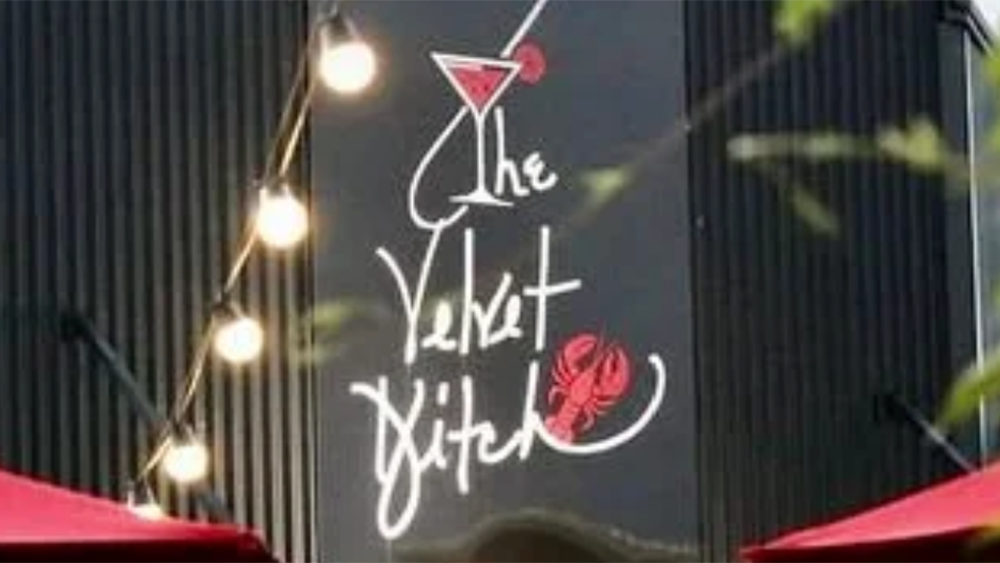
OXFORD, Miss. — The Velvet Ditch has become a regular stop for people looking for seafood plates, sandwiches and a sports-bar setting near the Oxford Square.
Its menu leans toward familiar items, and the service is one of the reasons diners say they return. The restaurant sits on South Lamar Boulevard, close enough to campus and the Square to draw steady traffic on most nights.
The interior features televisions, open tables and a bar that stays busy during major sporting events. Staff members move between areas at a quick pace.
A visitor can see at a glance that the restaurant is built to handle crowds during football weekends or spring baseball series.
The menu includes catfish, shrimp, burgers and pasta dishes. One food-travel site highlighted the “Catfish with Grits” and the “Lobster Mac and Cheese” as standout items.
Another review praised the staff, noting that a server “went above and beyond to ensure guests had a memorable experience.” Those comments help show why service is often mentioned in accounts from diners.
Guests also mention that the kitchen keeps wait times short. Even on harder nights, food tends to reach tables in a steady rhythm. For people on a schedule, that can be a deciding factor.
Some patrons report that visiting in the early evening brings a quieter atmosphere. Later hours often mean a louder bar setting, especially during games or campus events.
One commenter on social media wrote that the place was “packed” but said staff and management stayed active and remained helpful. That reflects a common pattern in local feedback.
The porch and outdoor seating add to the appeal, especially during fall and spring weather. The spot offers extra room for groups and keeps the dining room from feeling crowded when traffic picks up.
For diners seeking a consistent seafood option that works for friends, families or visitors, The Velvet Ditch meets those expectations without trying to be a fine-dining restaurant.
Most guests seem to accept it as a casual place where they can get reliable favorites.
Menu impressions and pacing
Portion sizes fall on the larger side. Some customers report leaving with leftovers, which adds value for a college-town audience.
Pricing falls within the range expected for a restaurant near the Square, though the seafood dishes push slightly higher than the sandwiches.
Most tables seem to order at least one fried dish. For people choosing wings or fried seafood, asking about crispness is a reasonable step.
One local blog gave the wings a 6.8 out of 10, citing texture but praising the seasoning and service.
It is not unusual for fried items to vary between busy and slow shifts, and guests sometimes adjust their orders based on earlier visits.
Pasta selections, including shrimp-based dishes, tend to draw positive remarks for flavor.
Several diners have shared online comments praising the seasoning balance, which can be harder to maintain in larger kitchens on crowded nights.
Service remains one of the restaurant’s strengths. Reports mention hosts greeting guests quickly and servers keeping check-ins consistent without becoming intrusive.
These basic steps stand out in a setting that often juggles game-day crowds.
The bar area typically fills first. Guests wanting a quieter space may choose tables near the front or the patio. Staff usually offer guidance on where noise levels are lower.
Visitors should expect a mixed crowd. Students, families, alumni and travelers pass through during busy weekends.
The range creates a social atmosphere without shifting the restaurant’s identity into a full bar.
When the pace picks up, the kitchen maintains a workmanlike rhythm. Though the menu is wide enough to challenge any staff during peak hours, food tends to be steady.
This consistency is part of why the restaurant keeps its place among Oxford’s regular dining choices.
Final thoughts
The Velvet Ditch presents itself as a casual dining option that fits Oxford’s blend of campus life and regional visitors.
Diners visiting early in the evening, before louder crowds settle in, often get a more relaxed experience. Later hours tilt toward a sports-bar feel, but service remains attentive.
The restaurant’s strengths lie in its steady approach. It does not try to compete with upscale dining rooms in town.
Instead, it focuses on familiar dishes, efficient service and a setting that suits both weeknight diners and visitors in town for a game.
For people seeking seafood or bar favorites near the Square, The Velvet Ditch offers a dependable choice.
Key takeaways
-
The Velvet Ditch delivers steady service and familiar seafood-and-bar dishes near the Oxford Square.
-
Early visits offer quieter meals, while later hours bring louder sports-bar energy.
-
Portions are large, and service remains a strong point even on busy nights.
Eating Oxford
Captain Morgan’s Pirate Ship Grounds on the Oxford Square for Three Days of Swashbuckling Fun
Captain Morgan’s Pirate Ship drops anchor in Oxford Square for a three-day rum-filled adventure supporting local arts programs.

The Oxford Square is about to get a taste of the high seas as Captain Morgan’s legendary Pirate Ship makes landfall for three days of rum, revelry, and community celebration. The nearly 40-foot vessel will drop anchor right in the heart of downtown, inviting residents and visitors alike to climb aboard for photos, exploration, and a chance to join the pirate crew—if they dare.
The festivities kick off Thursday, November 13, with the Captain Morgan Pirate Pub Crawl, benefitting the Yoknapatawpha Arts Council. The crawl begins with a 7:30 p.m. check-in at The Powerhouse Community Arts Center, where participants will experience the Captain’s Tailgate Tour Ship and enjoy a signature cocktail.
From there, crews will sail through town—stopping at Moe’s Penny Bar, Back Nine, Quack’s, and The Blind Pig Pub—collecting treasure map stamps, stories, and plenty of pirate memories along the way. The night culminates with a grand drawing for a Captain Morgan Yeti Cooler, stocked with spirits and exclusive gear.
The event is free, with donations and drink proceeds directly supporting the Arts Council’s free community arts programs throughout Oxford.
Participants are encouraged to arrive in full pirate regalia for extra raffle entries and bragging rights.
So grab your eyepatch, raise your glass, and prepare to set sail without ever leaving the Square. The Captain Morgan Pirate Ship may be grounded—but the adventure, and the cause it supports, will lift everyone’s spirits.
To learn more, visit www.oxfordarts.com.
Eating Oxford
Lenora’s in Oxford delivers solid Southern fare with attentive service
At Lenora’s Restaurant in Oxford, Mississippi the seafood is fresh, the staff attentive, and dishes like rib eye and catfish stand out

OXFORD, Miss. — At Lenora’s Restaurant in the heart of Oxford, Mississippi, quality doesn’t come from gimmicks or gimmickry.
It’s built from consistency, craft, and the quiet confidence of a kitchen that knows its identity of Southern elegance, balanced by seafood staples and a touch of upscale polish.
A first impression that lasts
Situated at 309 North Lamar Boulevard, just steps away from the Square, Lenora’s manages to create a dining experience that feels elevated without being exclusive.
Soft lighting, rustic wood accents, and an uncluttered layout give the space a comfortable rhythm.
There’s a sense of refinement that doesn’t need to announce itself. It simply exists, welcoming guests into a dining room that suits both quiet conversation and shared celebration.
Tables are well-spaced, and the pace is deliberately calm. From the moment diners walk in, staff are attentive but never overbearing, allowing the experience to unfold at its own tempo.
A menu with depth and purpose
The menu at Lenora’s blends Southern influence with coastal finesse.
The star attractions often lean toward seafood—dishes like the seared catfish Lenora and shrimp pasta Lenora exemplify the restaurant’s commitment to familiar flavors delivered with thoughtful precision.
These dishes arrive hot, well-seasoned, and plated with attention that suggests pride behind the scenes.
Steaks are another strong point. The rib-eye, in particular, arrives with a sear that holds its juices and a side of smashed potatoes that achieves that rare feat of being both comforting and composed.
The mixed grill offerings allow guests to sample a little bit of everything—surf and turf combinations that work in harmony.
Appetizers such as the jumbo lump crab cake and the beef tenderloin skewer serve as a warm welcome to the meal. Meanwhile, seasonal salads, grilled vegetables, and expertly prepared greens round out the plate without feeling like afterthoughts.
Service that elevates the experience
While food often gets top billing in restaurant reviews, the service at Lenora’s deserves its own recognition. Guests routinely highlight the staff’s friendliness and professionalism.
In one recent example, a reviewer praised server Emily S. for being “calm, friendly, and super attentive,” even during a particularly busy evening.
That level of consistency isn’t an accident. The staff—from the front-of-house to the kitchen—operate with clear communication and a shared understanding of what makes for a great dining experience: timing, warmth, and a sense of ease.
Even when the restaurant is bustling on weekends or special occasions, the flow remains steady. Courses arrive at the right intervals, water glasses stay full, and special requests are handled without hesitation.
Finishing strong with dessert and drinks
When it comes to the final course, Lenora’s makes a strong case for lingering just a little longer.
Bread pudding with white chocolate sauce is a standout, offering a warm, rich bite without becoming overly heavy.
Other dessert selections rotate seasonally, giving repeat diners something new to look forward to.
The bar program includes handcrafted cocktails, a curated wine list, and premium spirits, creating an opportunity to extend the evening in relaxed fashion.
Whether it’s a classic old fashioned or a house-infused martini, the drink selection pairs naturally with the pace and style of the meal.
Consistency and craft at the center
Lenora’s isn’t trying to be trendy. It isn’t chasing viral moments or social media flash. What it offers instead is something harder to replicate: a sense of place.
A restaurant that knows who it is, knows what it does well, and delivers on that promise night after night.
It’s this combination of skill in the kitchen, warmth at the table, and ease in the atmosphere that makes Lenora’s a cornerstone of Oxford’s dining scene.
Whether it’s a dinner out with family, a date night, or a business conversation over a meal, Lenora’s fits the moment.
Location and hours of operation
-
Address: 309 North Lamar Boulevard, Oxford, Mississippi 38655
-
Phone: (662) 236‑1144
-
Hours:
-
Monday, Tuesday, Thursday: 5:00 p.m. – 9:00 p.m.
-
Wednesday, Friday, Saturday: 5:00 p.m. – 10:30 p.m.
-
Sunday: Closed
-
Note: On major event weekends, opening hours may shift to 4:00 p.m.
-
3 key takeaways
-
Southern seafood done right — Signature dishes like the seared catfish and shrimp pasta showcase flavor without overcomplicating.
-
Service with care — Staff are consistently described as professional, warm, and attentive, contributing to the calm, composed environment.
-
Refined but relaxed — The space strikes a balance between casual comfort and upscale polish, making it accessible to all types of diners.

Hunter Elliott Joins Elite Ole Miss Company in Win Over Texas A&M

Ole Miss Softball Lands Two Players on All-SEC Second Team

How to Watch Ole Miss Baseball’s Crucial SEC Opener Against Texas A&M


-
Eating Oxford12 years ago
Food & Drink: What’s Hot and What’s Not in 2015
-
Arts & Entertainment9 years ago
EatingOxford: 3 Steps to Success at 3 Blind Wines
-
Eating Oxford11 years ago
HottyToddy Tailgate: Crescent Rolls 5 Ways
-

 Eating Oxford4 years ago
Oxford restaurants adjust to inflation, other pressures by raising prices
-
Eating Oxford13 years ago
My Michelle’s: Personal Chefs
-

 Eating Oxford4 years ago
Locally Driven and Focused to Serve from Day to Night: Good Day Café & Bar Muse
-

 Eating Oxford4 years ago
“I am from here”: Snackbar Chef Vishwesh Bhatt celebrates new cookbook
-
Eating Oxford10 years ago
Oxford Stories: Chicken on a Stick Is an Oxford Tradition